

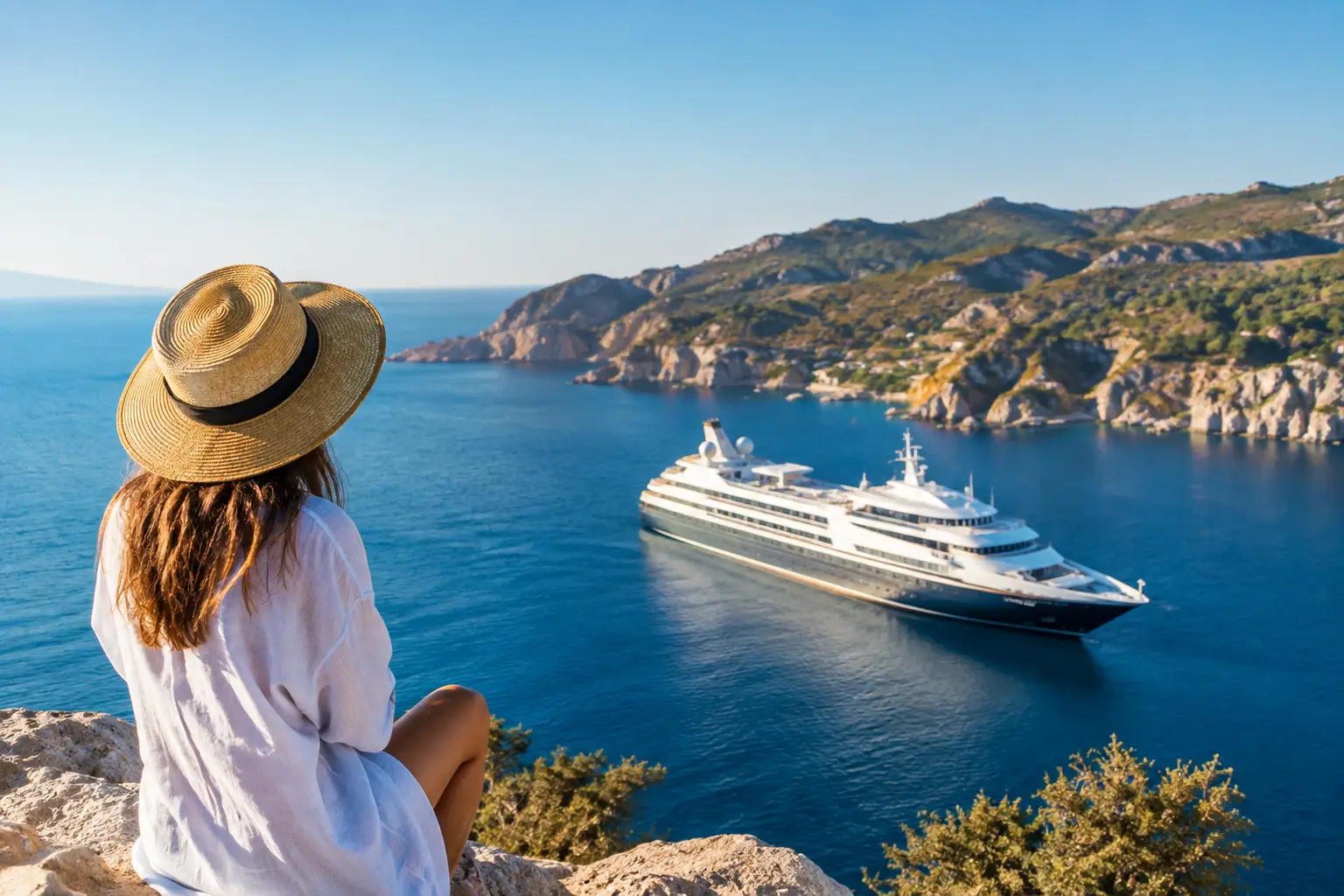
A blue cruise has always offered something that a resort stay cannot: the ability to wake up in a different cove, swim before breakfast, and let Turkey’s coastline set the pace. The future of blue cruises will preserve that unhurried appeal while making the experience more personal, better planned, and more connected to the places beyond the water.
For travelers coming from the United States, Canada, the UK, Australia, and Europe, the change is less about turning a gulet holiday into a high-tech product. It is about having greater choice. A couple may want a quiet private charter from Fethiye to Göcek. A family may need flexible daily schedules, comfortable cabins, and easy airport connections. A small group may want to combine a coastal week with Istanbul, Cappadocia, or the ancient cities around Ephesus. The best blue cruises will increasingly be built around those individual priorities.
The Future of Blue Cruises Is More Personal
Classic gulet routes remain popular for good reason. The bays around Fethiye, Ölüdeniz, Göcek, Marmaris, and Bodrum offer calm water, pine-covered hillsides, small harbors, and striking swimming stops. What is changing is the expectation that every guest should follow exactly the same timetable.
Private and small-group blue cruises allow far more flexibility than a fixed-departure sailing. Depending on weather, harbor availability, and the interests of the group, an itinerary can include longer mornings at anchor, a stop for a coastal village lunch, an afternoon focused on water activities, or more time ashore at an archaeological site. Guests who value quiet can prioritize secluded bays; those who enjoy lively evenings can include marina towns along the route.
This approach is particularly useful for multigenerational families and groups of friends. One traveler may be interested in photography, another in swimming, and another in local food. A well-designed charter gives everyone room to enjoy the journey without forcing the day into a rigid program.
Gulets will remain central to the experience
The traditional wooden gulet is not disappearing. Its generous deck space, relaxed layout, and crew-led service are precisely why it remains one of the most comfortable ways to experience the Turkish Riviera. However, travelers are becoming more selective about the type of vessel, cabin configuration, onboard dining, and level of privacy they need.
Some groups will prefer a classic gulet with a warm, traditional character. Others may choose a more contemporary yacht style with refined interiors. Neither is automatically better. The right option depends on group size, desired route, budget, and whether the trip is centered on relaxation, active water time, or a broader Turkey itinerary.
A More Thoughtful Way to Travel the Coast
The strongest direction for blue cruises is not simply more sailing. It is slower, more considered coastal travel. Guests increasingly want to know what makes a place distinctive: the story behind an ancient harbor, the local ingredients served for lunch, or why one cove is best visited early in the morning.
Turkey is especially well suited to this style of travel because the coast brings together natural scenery and layers of history. A route from Fethiye can include views of the Lycian shoreline and time in sheltered islands and bays. From Bodrum or Marmaris, guests can balance time at sea with atmospheric waterfront towns, local markets, and land-based cultural visits. The coastline becomes part of a larger journey rather than a break between hotel stays.
Food will remain an important part of that experience. Freshly prepared Turkish breakfasts, seasonal vegetables, grilled seafood, olive oil dishes, and regional meze turn meals onboard into a highlight of the day. For private charters, menus can often be planned around preferences and dietary requirements in advance, allowing the crew to focus on relaxed, generous hospitality once the voyage begins.
Responsible choices will matter more
Future-minded travelers are also asking practical questions about how their vacation affects the places they visit. On the water, responsible travel often comes down to sensible decisions: choosing appropriate anchorages, reducing unnecessary single-use items, respecting quiet bays, and using water carefully while onboard.
A quality cruise operator can help guests make informed choices without making the vacation feel restrictive. Smaller vessels and tailored routing can also reduce the pressure to rush from one headline destination to the next. The goal is not perfection. It is a more respectful rhythm that protects the enjoyment of the coast for future visitors and local communities alike.
Blue Cruises Will Connect More Easily With Turkey Tours
For many international visitors, a blue cruise is one part of a longer vacation in Turkey. The future of blue cruises is therefore closely tied to smoother connections between the coast, major cities, and inland highlights.
A well-organized itinerary might begin with several nights in Istanbul, where private guided touring provides context for the city’s major landmarks, neighborhoods, and food culture. Travelers can then fly to Cappadocia for cave hotel accommodations, valley views, and guided sightseeing before continuing to the coast for a gulet charter. Another route can pair Istanbul with Ephesus and Pamukkale, then finish in Bodrum, Marmaris, or Fethiye.
This type of trip requires more than attractive destinations on a map. Domestic flights, airport transfers, hotel check-in times, luggage arrangements, port transfers, and cruise departure schedules need to work together. Planning them as one itinerary avoids wasted days and gives travelers the confidence to enjoy each destination fully.
Travel Store Turkey can arrange private and small-group journeys that combine cultural touring with a blue cruise, including boutique hotels, Cappadocia cave hotels, experienced local guides, domestic flights, and private transfers. This is particularly valuable for travelers who want the freedom of a coastal charter without taking on the logistics of coordinating several regions independently.
Practical Tips for Planning a Blue Cruise
The most comfortable blue cruise season generally runs from late spring through early fall. May, June, September, and October are often excellent for travelers who prefer pleasant temperatures and a calmer atmosphere in popular coastal areas. July and August offer reliably warm swimming conditions and a lively summer feel, although marinas and favored bays can be busier.
For the cruise itself, allow at least four to seven nights. A four-night charter can provide a rewarding introduction to the coast, particularly when added to a wider itinerary. Seven nights or more allows for a slower pace, more varied anchorages, and the flexibility to enjoy weather-dependent decisions without feeling rushed.
A practical first-time route is to arrive in Istanbul, spend three nights exploring with a private guide, then fly south for a six- or seven-night blue cruise from Fethiye or Göcek. Travelers with more time can add Cappadocia before the coast. Those drawn to ancient history may prefer an itinerary that includes Ephesus and Pamukkale before continuing to Bodrum or Marmaris.
When selecting a vessel, ask early about cabin layouts, air-conditioning arrangements, bathroom facilities, crew service, dining preferences, and the expected route. These details matter more than a glossy photo. Families may prioritize interconnecting or well-positioned cabins, while couples may value a smaller boat and a quieter itinerary. Travelers prone to motion discomfort often find that sheltered coastal routes and overnight anchoring in calm bays make the experience more comfortable than expected.
What Will Not Change
Even as planning becomes more customized, the heart of a blue cruise will remain wonderfully simple. It is the first swim of the day from the stern platform, the sound of water against the hull at night, a long lunch in the shade, and the pleasure of reaching a bay that cannot be experienced from the road.
The most rewarding charters will not try to fill every hour. They will leave space for the moments travelers remember: watching the coastline change color at sunset, sharing dinner on deck, or deciding to stay one more hour in a clear, quiet cove. If you are considering a coastal journey as part of a private Turkey itinerary, start with the pace you want your vacation to have, and let the route follow from there.
0 Comment