

Topkapi Palace Istanbul: Complete Visitor Guide, History and Travel Tips
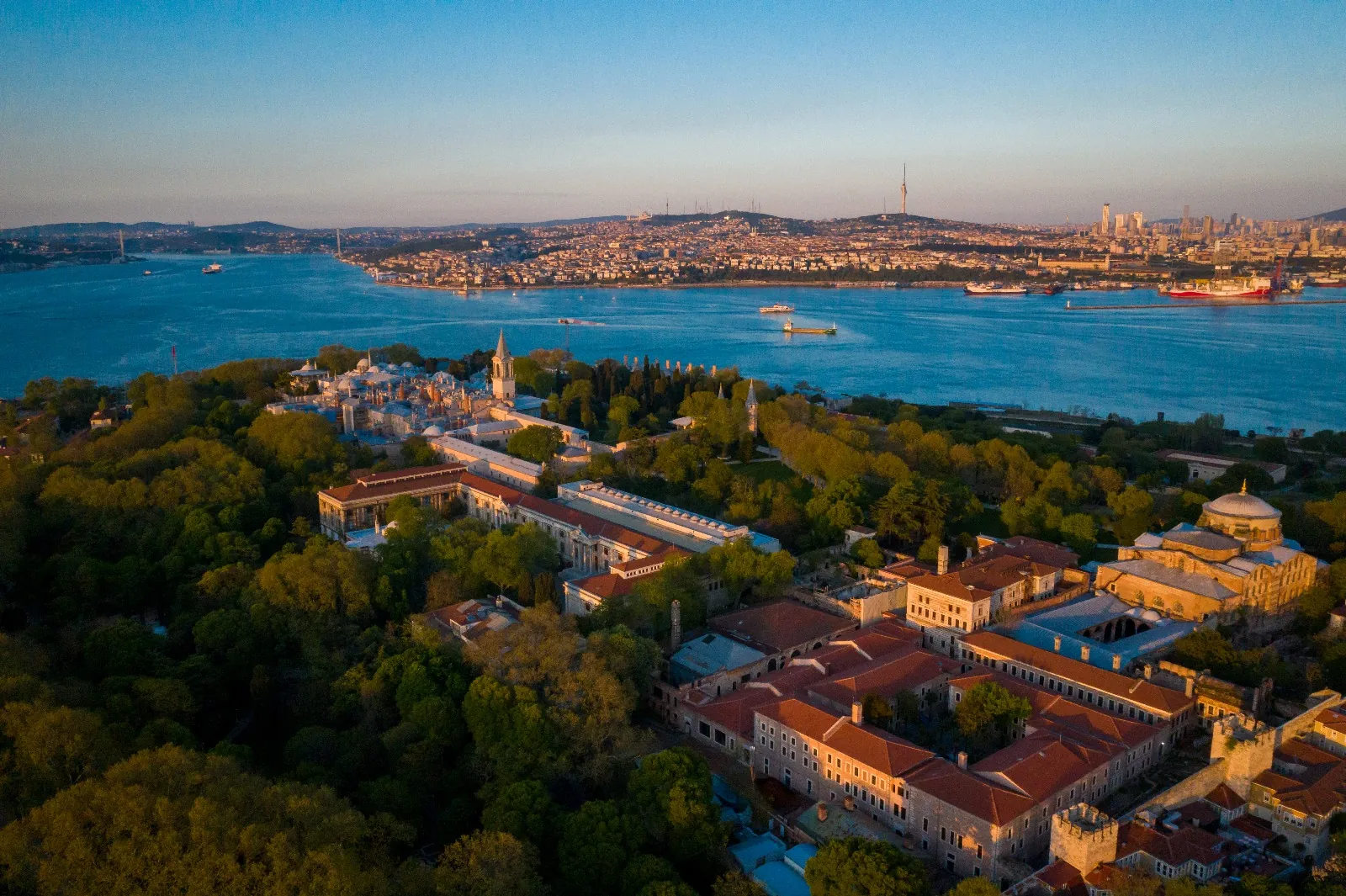
Topkapi Palace Istanbul is one of the most important historical landmarks in Turkey and one of the must-see places for anyone visiting Istanbul. Located on the historic peninsula, between the Bosphorus, the Golden Horn, and the Sea of Marmara, Topkapi Palace offers a fascinating journey into the heart of the Ottoman Empire.
For almost 400 years, this palace was the residence of Ottoman sultans, the administrative center of the empire, and the place where major political decisions were made. Today, it is one of Istanbul’s most visited museums and an essential stop on any cultural Turkey itinerary.
If you want to understand Topkapi Palace properly, visiting with a licensed local guide makes a big difference. Our Private Istanbul Tours can include Topkapi Palace, Hagia Sophia, Blue Mosque, Basilica Cistern, Grand Bazaar, and other major highlights of Istanbul’s Old City.
What Makes Topkapi Palace So Special?
Topkapi Palace is not just a royal residence. It was the center of Ottoman power for centuries. Sultans lived here with their families, received foreign ambassadors, managed state affairs, protected sacred relics, and stored some of the empire’s greatest treasures.
Unlike many European palaces, Topkapi Palace was not built as one single monumental building. It developed over time as a large imperial complex with courtyards, gardens, pavilions, chambers, kitchens, treasury rooms, and private living areas.
This makes the palace feel like a city within a city. Every courtyard has a different atmosphere, and every section tells a different part of Ottoman history.
A Short History of Topkapi Palace
The story of Topkapi Palace began after Sultan Mehmed II conquered Constantinople in 1453. After transforming the city into the new capital of the Ottoman Empire, he chose the strategic point overlooking the Bosphorus and Golden Horn as the location for the new imperial palace.
Construction started in the 15th century, and the palace became the official residence of Ottoman sultans. From here, the empire was governed for centuries. Important ceremonies, political meetings, royal receptions, and diplomatic events all took place within these walls.
Topkapi Palace remained the main Ottoman palace until the 19th century, when the royal court moved to Dolmabahçe Palace. After the establishment of the Turkish Republic, Topkapi Palace was converted into a museum and opened to visitors.
Today, it is one of the best places to understand Ottoman history, imperial culture, Islamic art, palace life, and Istanbul’s role as the capital of a world empire.
Topkapi Palace Layout: The Four Courtyards
Topkapi Palace is organized around four main courtyards. Each courtyard had a different function and represented a different level of access, from public areas to the private world of the sultan.
First Courtyard
The First Courtyard was the most public area of the palace. Visitors entered through the Imperial Gate and passed into this large outer court. In Ottoman times, this area included service buildings and palace support areas.
Second Courtyard
The Second Courtyard was where official state business took place. Here, you can see the Imperial Council Chamber, where high officials discussed government matters. The Tower of Justice rises above this area and symbolizes the authority of the sultan.
Third Courtyard
The Third Courtyard was part of the inner palace and was more private. It includes some of the most important sections of Topkapi Palace, such as the Audience Chamber, Imperial Treasury, and Sacred Relics rooms.
Fourth Courtyard
The Fourth Courtyard was the most private garden area of the palace. It includes elegant kiosks, terraces, and some of the most beautiful views over the Bosphorus. The Baghdad and Revan Kiosks are among the highlights of this section.
Must-See Sections of Topkapi Palace
The Imperial Treasury
The Imperial Treasury is one of the most famous parts of Topkapi Palace. It displays precious objects that reflect the wealth and artistic taste of the Ottoman court. Visitors can see jeweled weapons, golden ceremonial objects, precious stones, royal gifts, and imperial collections.
Two of the most famous pieces are the Topkapi Dagger and the Spoonmaker’s Diamond. These treasures are among the most popular highlights of the museum.
The Harem
The Harem is one of the most fascinating sections of Topkapi Palace. It was the private family area of the sultan and home to the sultan’s mother, wives, children, concubines, and palace staff.
The Harem was not only a private living space. It was also an important social and political part of the Ottoman court. The rooms, corridors, courtyards, and tile decorations here are among the most beautiful parts of the palace.
The Harem requires a separate ticket, but it is highly recommended for visitors who want a deeper understanding of palace life.
The Sacred Relics
The Sacred Relics section is one of the most spiritually important areas of Topkapi Palace. It contains Islamic relics preserved by the Ottoman sultans, who also held the title of Caliph for part of Ottoman history.
This section has a quiet and respectful atmosphere and remains one of the most meaningful parts of the palace for many visitors.
The Imperial Council Chamber
The Imperial Council Chamber, also known as the Divan, was where high-ranking officials met to discuss state affairs. The Grand Vizier and other important members of the government gathered here to make decisions affecting the Ottoman Empire.
Visitors interested in politics, diplomacy, and Ottoman administration often find this area particularly fascinating.
Topkapi Palace Tickets and Opening Hours
Topkapi Palace is one of Istanbul’s most visited attractions, so purchasing tickets in advance is recommended whenever possible. Ticket options may include access to the main palace complex, the Harem section, and special exhibitions.
Opening hours and ticket prices can change periodically, so visitors should always check official sources before traveling.
Arriving early in the morning is usually the best strategy, especially during spring and summer when visitor numbers are highest.
How to Get to Topkapi Palace
Topkapi Palace is located in Sultanahmet, Istanbul’s historic center. It is easily accessible by tram, taxi, private transfer, or guided tour.
Most travelers visiting Hagia Sophia, the Blue Mosque, and the Basilica Cistern can comfortably reach Topkapi Palace on foot since all major attractions are located within the same historic district.
For visitors staying outside the Old City, pre-arranged transportation or a Private Istanbul Tour can make the day much easier and more efficient.
Best Time to Visit Topkapi Palace
The best months to visit Topkapi Palace are generally April, May, September, and October when temperatures are comfortable and sightseeing conditions are ideal.
Summer is the busiest season, especially during midday hours. Visiting early in the morning helps avoid larger crowds and allows more time to enjoy the palace grounds.
Winter offers a quieter atmosphere and shorter ticket lines, making it an excellent option for travelers who prefer fewer crowds.
Nearby Attractions
One of the advantages of visiting Topkapi Palace is its location near many of Istanbul’s most famous landmarks.
- Hagia Sophia
- Blue Mosque
- Basilica Cistern
- Hippodrome Square
- Grand Bazaar
- Spice Bazaar
- Gülhane Park
Most visitors combine several of these attractions into a single day of sightseeing.
Frequently Asked Questions
How long should I spend at Topkapi Palace?
Most visitors spend between 2 and 4 hours exploring the palace. Travelers interested in history, the Harem, and museum collections may wish to stay longer.
Is the Harem worth visiting?
Yes. The Harem is one of the most interesting and beautifully decorated sections of the palace and provides valuable insight into Ottoman palace life.
Can I visit Topkapi Palace without a guide?
Yes, but many visitors find that a licensed guide significantly improves the experience by explaining the history, symbolism, and stories behind the palace.
Is Topkapi Palace suitable for families?
Absolutely. Families, couples, solo travelers, and history enthusiasts all enjoy visiting Topkapi Palace. The large courtyards and gardens also provide pleasant open spaces for children.
Explore Topkapi Palace with Travel Store Turkey
Topkapi Palace is one of the highlights of any Istanbul itinerary, but understanding its history is much easier with an experienced local guide.
Our Private Istanbul Tours include Topkapi Palace, Hagia Sophia, Blue Mosque, Basilica Cistern, Grand Bazaar, and other major attractions with licensed professional guides.
If you are planning a longer trip, Istanbul can easily be combined with Cappadocia, Ephesus, and Pamukkale through our customized Private Turkey Tours.
You can also explore our full collection of Turkey Tour Packages designed for first-time visitors, couples, families, and small private groups.
0 Comment