

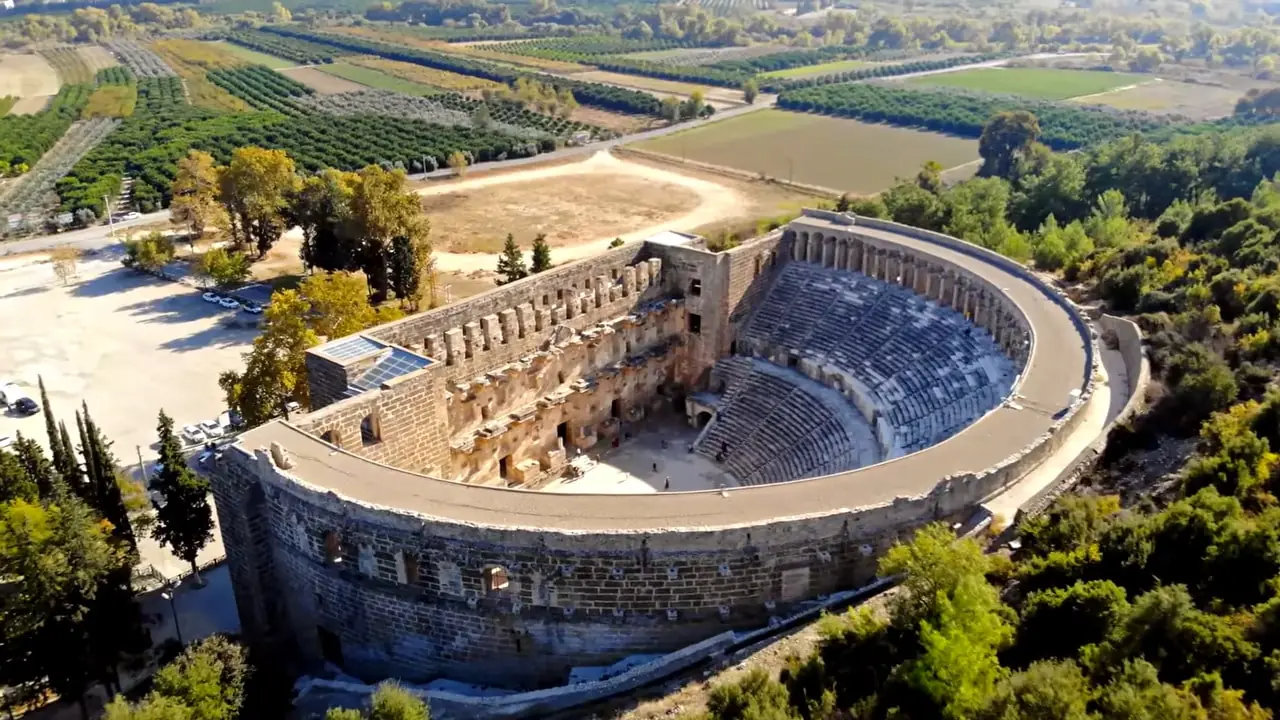
Carved into the slope of a sun-drenched hill in the Pamphylian plain, the Aspendos Theatre Turkey is not merely an ancient ruin; it is a breathtakingly intact masterpiece of Roman engineering. Located near the modern city of Antalya, this 2nd-century theater is globally renowned as the best-preserved Roman theater from antiquity, a title it earns through its extraordinary state of preservation and staggering architectural harmony. For anyone exploring the ruins Antalya region, a visit to this monument is an essential journey back to the zenith of Roman architectural and cultural ambition.
This guide provides everything you need to plan your visit, from securing Aspendos theatre tickets and witnessing its famous acoustics to exploring the broader Aspendos ruins, including its majestic aqueduct.
History of the Theater of Aspendos
The Theater of Aspendos was constructed during the reign of Emperor Marcus Aurelius (161-180 AD), a golden age of the Roman Empire. Ancient inscriptions attribute its construction to the architect Zeno, son of an Aspendian native, and credit its funding to two wealthy brothers, Curtius Crispinus and Curtius Auspicatus.
Local legend offers a more colorful tale, suggesting the theater was built as part of a competition for the king’s daughter. The king decreed he would give his daughter to the man who provided the greatest public work for the city. As the two leading architects finished their projects—one the theater, the other the magnificent Aspendos aqueduct—the king could not decide. He then announced he would split his daughter in two, giving half to each man. The aqueduct’s architect accepted this grim solution, but the theater’s architect, Zeno, refused, saying the king could keep his daughter. Impressed by this compassion, the king awarded Zeno both his daughter and the victory.
Beyond myth, the theater served as a central hub of civic life for centuries, hosting theatrical performances, gladiatorial combats, and political assemblies. Its remarkable preservation is largely due to its continuous use and maintenance, including serving as a caravanserai during the Seljuk period in the 13th century.
Experiencing the Theatre Aspendos Today
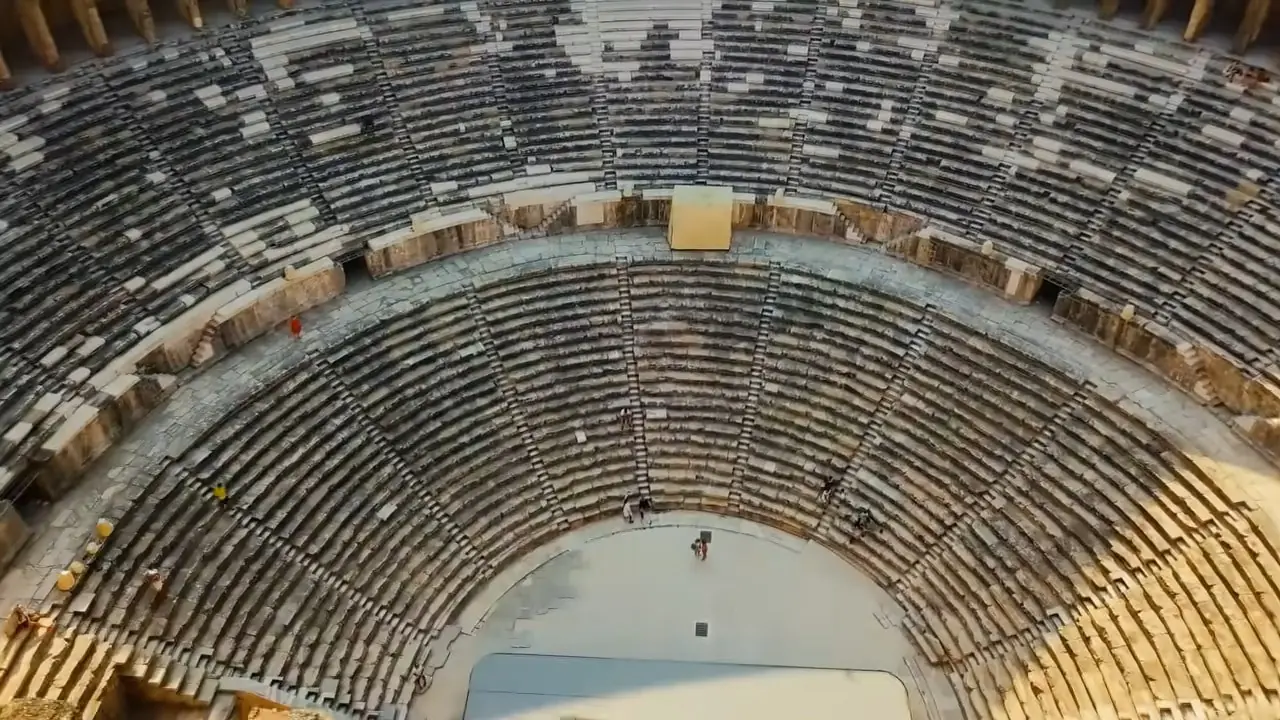
Stepping into the cavea (seating area) of the Aspendos theatre is an awe-inspiring experience. It retains every element of its original structure.
-
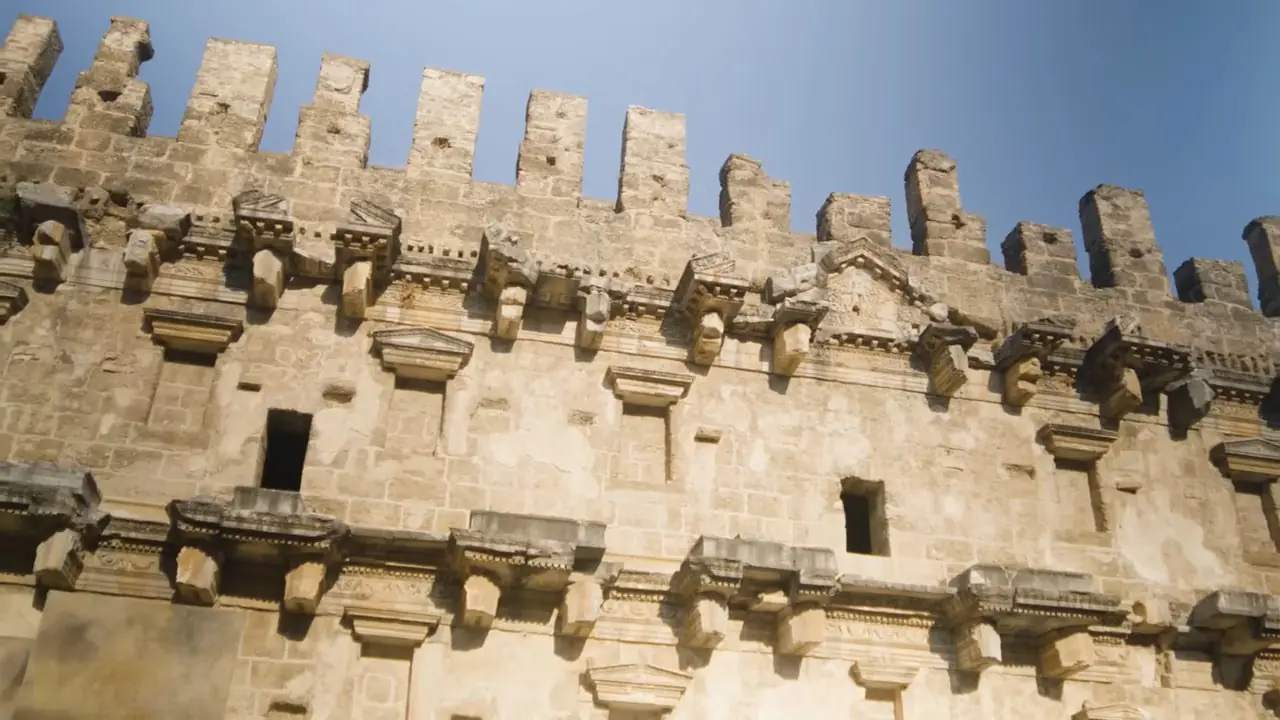
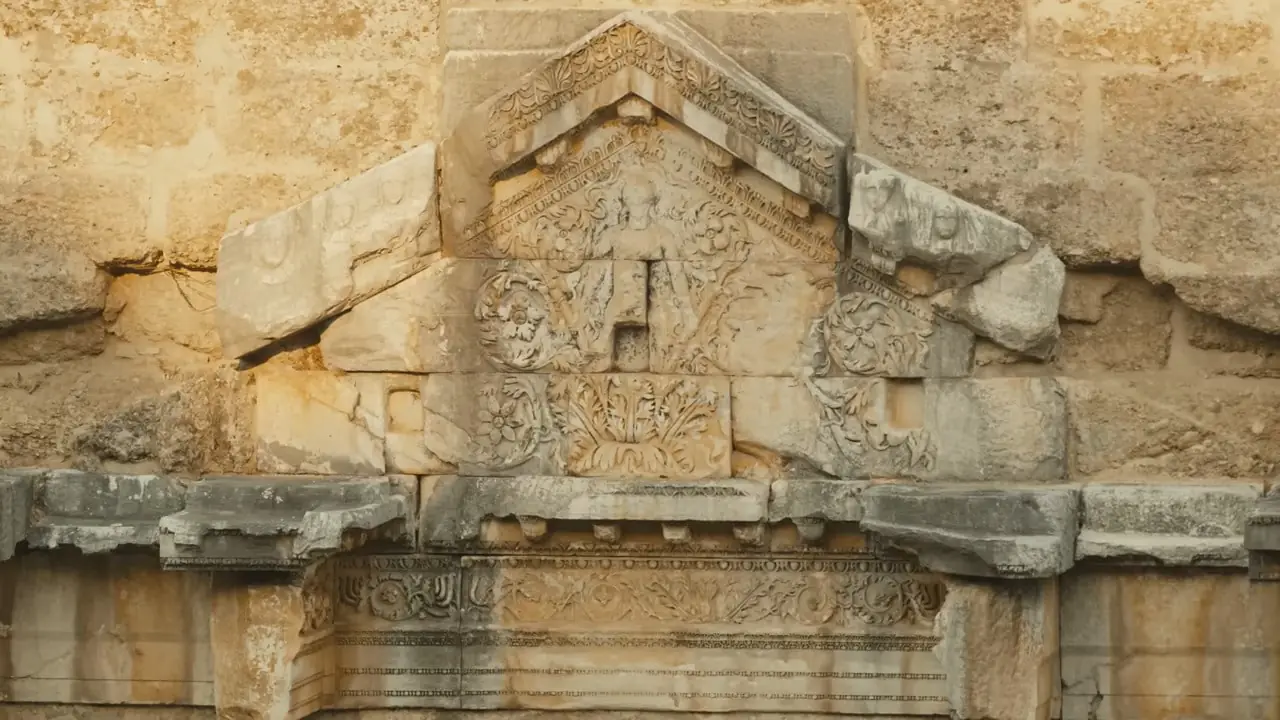
Architectural Grandeur: The theater could seat approximately 15,000-20,000 spectators. Its 41-tier seating area is divided by a single diazoma (walkway). The towering two-story scaenae frons (stage building) is almost completely intact, decorated with columns, niches, and intricate marble reliefs that would have held statues. This facade is the most complete surviving example in the Roman world.
-
Legendary Acoustics: The theater’s most famous feature is its near-perfect acoustics. A whisper or the tearing of a piece of paper on the stage can be heard clearly from the highest tier of seats. This is a result of its sophisticated semicircular design and the porous limestone used in construction, which absorbs background noise.
-
Aspendos Theatre Shows: The theater is not just a relic; it is a living cultural venue. It hosts the world-renowned Aspendos International Opera and Ballet Festival every summer (typically June-September). Experiencing a performance under the stars in this ancient setting is an unforgettable highlight. Check the festival’s official schedule well in advance for Aspendos theatre shows and bookings.
Exploring the Broader Aspendos Ruins
While the theater is the crown jewel, the ancient city of Aspendos Turkey was a major Pamphylian port and trading center. A short walk uphill from the theater leads to the sprawling Aspendos ruins of the city’s acropolis.
-
The Basilica & Agora: Explore the remains of the large basilica, market square (agora), and a nymphaeum (monumental fountain).
-
The Spectacular Aqueduct: One of antiquity’s greatest hydraulic engineering feats is the Aspendos aqueduct. Located about 1 km north of the theater, its surviving two-story arcade and inverted siphon towers stretch across the plain. It carried water from springs in the mountains over 25 km to the city and is considered one of the best-preserved Roman aqueducts.
Practical Visitor Information: Tickets & Planning
-
Aspendos Theatre Tickets & Price:
-
Entrance Ticket: You need a single entry ticket to access both the theater and the upper city ruins. As of 2024, the Aspendos theatre ticket price is approximately 300 Turkish Lira.
-
How to Buy: Aspendos theatre tickets can be purchased on-site at the main ticket office near the theater entrance. For the opera and ballet festival, tickets must be purchased separately through the festival’s official website, as the event requires a special performance ticket in addition to or instead of standard entry.
-
-
Getting There: Aspendos is located 47 km east of Antalya, near the town of Serik.
-
By Car: The most convenient option. Drive east on the D400 highway and follow signs for “Aspendos.” The journey takes about 45 minutes.
-
By Tour: Numerous guided day tours from Antalya, Side, and Belek include transportation, entrance, and a guide. This is highly recommended for context.
-
By Public Transport: Take a public bus from Antalya bus station to Serik, then a local taxi to the ruins (about 5 km). This requires more time and planning.
-
-
Best Time to Visit: Visit early in the morning or late afternoon to avoid the intense midday heat and the largest tour groups. The light for photography is also best at these times. If attending a festival performance, remember that evenings can be cool, even in summer.
A visit to the Aspendos Theatre Turkey is a direct connection to the artistic and technical prowess of the Roman Empire. Whether you come to test its legendary acoustics, witness a world-class opera, or stand in awe of its complete architecture, it is a site that truly lives up to its reputation. Combined with the nearby aqueduct, it offers a profound day of exploration among some of the Mediterranean’s most magnificent ruins Antalya has preserved.
0 Comment