

Discover Topkapi Palace Istanbul: Ultimate Ottoman Empire Guide
Standing majestically on the historic peninsula of Istanbul, Topkapi Palace is far more than just another tourist attraction—it’s a breathtaking journey through 400 years of Ottoman imperial history. As one of the most visited museums in Turkey, this extraordinary palace complex welcomes over 3 million visitors annually, each seeking to uncover the secrets of sultans, explore legendary treasures, and walk through halls where world-changing decisions were made.
Whether you’re planning your first trip to Istanbul or returning to explore deeper layers of Turkish history, Topkapi Palace deserves a prominent place on your itinerary. This comprehensive guide will take you through everything you need to know about visiting this magnificent UNESCO World Heritage Site, from its fascinating history to practical tips that will make your visit unforgettable.
What Makes Topkapi Palace So Special?
Topkapi Palace (Topkapı Sarayı in Turkish) served as the primary residence and administrative headquarters of Ottoman sultans for nearly 400 years, from 1465 to 1856. Imagine a sprawling complex that was once home to over 4,000 people—sultans, their families, concubines, eunuchs, and servants—all living within walls that witnessed the rise and fall of one of history’s greatest empires.
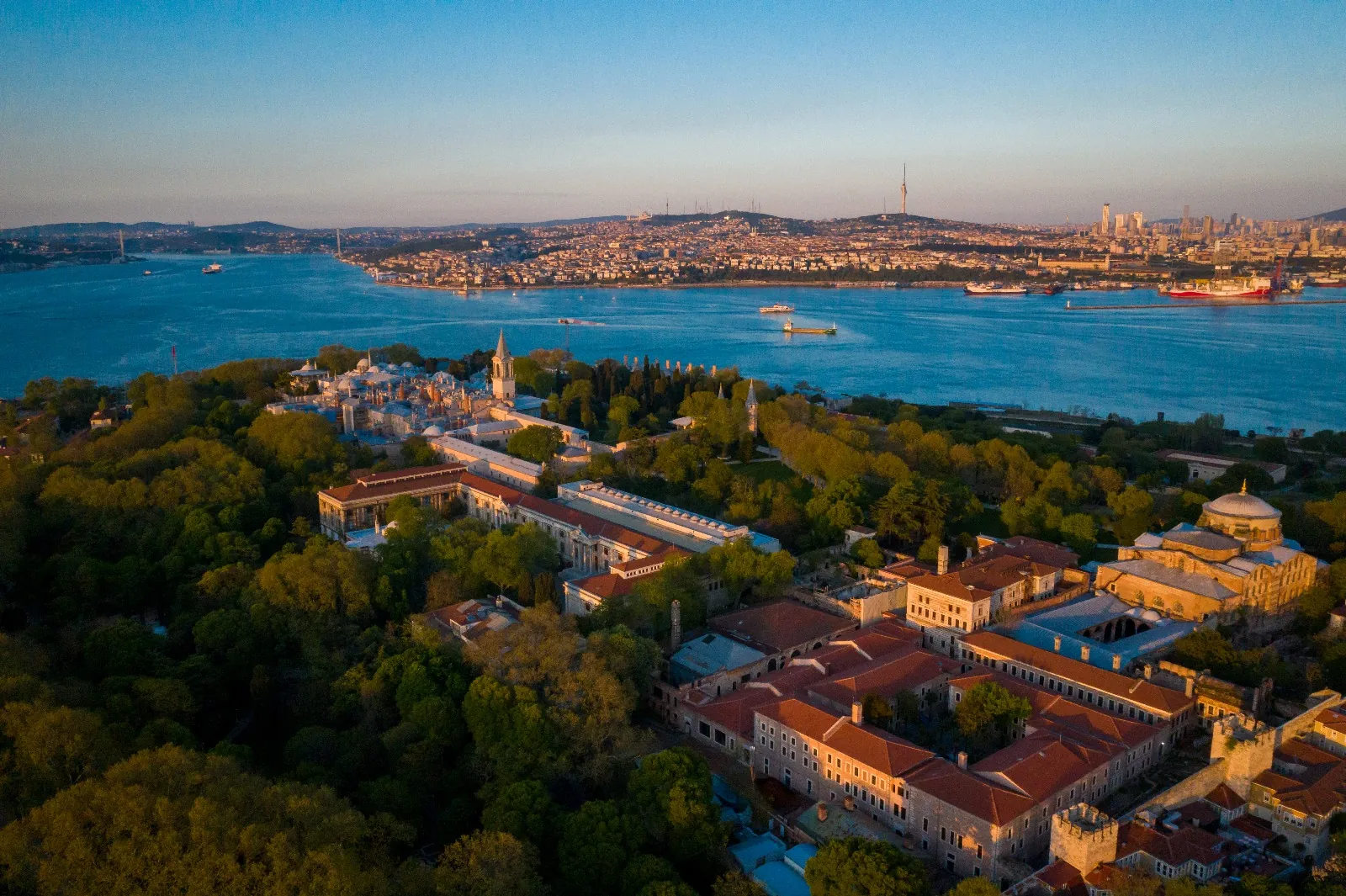
Today, Topkapi Palace stands as Turkey’s most visited museum and one of the world’s largest palace museums, covering approximately 700,000 square meters. Its strategic location on Seraglio Point, where the Bosphorus Strait meets the Golden Horn and the Sea of Marmara, offers visitors not just historical treasures but also some of the most spectacular views in Istanbul.
The Rich History of Topkapi Palace
The Birth of an Imperial Residence
The story of Topkapi Palace begins in 1459, just six years after Sultan Mehmed II (Mehmed the Conqueror) captured Constantinople and transformed it into Istanbul, the new capital of the Ottoman Empire. Initially, Mehmed II built a palace in what is now Beyazıt Square, but he soon decided that the strategic Seraglio Point would be the perfect location for a grander imperial residence.
Construction of Topkapi Palace began in 1460 and was completed in 1478. The palace’s name, which means “Cannon Gate Palace” in Turkish, comes from the cannon-studded sea walls and the massive imperial gate. Mehmed II designed the palace complex not just as a royal residence but as the seat of government and the center of the Ottoman world.
Four Centuries of Ottoman Power
From 1465 to 1856, Topkapi Palace served as the heart of the Ottoman Empire. During these nearly four centuries, 25 sultans called this palace home. Each sultan left their mark, expanding, renovating, and adding new buildings to the complex. The palace grew organically over time, becoming a city within a city.
The palace witnessed pivotal moments in world history. It was here that sultans received foreign ambassadors, declared wars, signed peace treaties, and made decisions that affected three continents. The famous Harem, home to the sultan’s mother (Valide Sultan), wives, and concubines, was the site of intricate political maneuvering that often influenced the empire’s direction.
Transformation into a Museum
In the mid-19th century, Sultan Abdulmecid I found Topkapi Palace too old-fashioned for his European-influenced tastes. In 1856, he moved the imperial court to the newly constructed Dolmabahçe Palace on the Bosphorus shore. Topkapi was partially abandoned but continued to house the imperial treasury and sacred relics.
After the fall of the Ottoman Empire and the establishment of the Turkish Republic in 1923, Mustafa Kemal Atatürk ordered the transformation of Topkapi Palace into a museum. It officially opened to the public on April 3, 1924, becoming one of the world’s first palace museums. In 1985, UNESCO recognized Topkapi Palace as part of the Historic Areas of Istanbul World Heritage Site.
Discover Topkapi Palace Istanbul: Ultimate Ottoman Empire Guide
Architectural Marvel: Understanding the Palace Layout
Topkapi Palace’s architecture is a fascinating blend of functionality and beauty, reflecting Ottoman aesthetics and Islamic principles. Unlike the grand, symmetrical palaces of Europe, Topkapi evolved organically over centuries, creating a labyrinthine complex of courtyards, pavilions, gardens, and chambers.
The Four Courtyards System
The palace is organized around four main courtyards, each serving different functions and representing increasing levels of privacy and prestige:
First Courtyard (Court of the Janissaries): This was the most public area, accessible to anyone. It served as the service area and housed the imperial bakery, hospital, and stables. Today, you’ll enter through the impressive Imperial Gate (Bab-ı Hümayun) and walk through this courtyard to reach the ticket office.
Second Courtyard (Court of State): Accessible through the Gate of Salutation, this courtyard was where official state business was conducted. Here you’ll find the Imperial Council Chamber (Divan), where the sultan’s advisors met to discuss state affairs, and the Tower of Justice, from which the sultan could secretly observe council meetings.
Third Courtyard (Inner Palace): This was the sultan’s private domain, accessible only to the sultan, his family, and the highest-ranking officials. The Gate of Felicity leads to this courtyard, which houses the Audience Chamber, the Treasury, and the Sacred Relics.
Fourth Courtyard (Imperial Gardens): The most private area, featuring beautiful gardens, pavilions, and kiosks where the sultan could relax away from official duties. The stunning views of the Bosphorus from the Baghdad and Revan Kiosks are unforgettable.
Architectural Highlights
The architecture throughout Topkapi Palace showcases the finest examples of Ottoman imperial design. You’ll notice:
- Intricate Tilework: Magnificent Iznik tiles in blues, greens, and turquoise adorn walls throughout the palace, particularly in the Harem and imperial chambers.
- Calligraphic Art: Beautiful Islamic calligraphy decorates walls and ceilings, featuring verses from the Quran and poetic inscriptions.
- Wooden Craftsmanship: Elaborately carved and painted wooden ceilings, doors, and shutters demonstrate the mastery of Ottoman woodworkers.
- Fountain Courtyards: Multiple fountains provide cooling effects and pleasant sounds while symbolizing paradise in Islamic tradition.
Discover Topkapi Palace Istanbul: Ultimate Ottoman Empire Guide
Must-See Sections of Topkapi Palace
The Imperial Treasury: Unimaginable Wealth
One of the most spectacular sections of Topkapi Palace is the Imperial Treasury, housed in four rooms of the Third Courtyard. This collection represents one of the greatest accumulations of wealth ever assembled, showcasing the unimaginable riches of the Ottoman sultans.
The Topkapi Dagger: This legendary jewel-encrusted dagger, featuring three enormous emeralds, gained worldwide fame from the 1964 film “Topkapi.” The dagger was originally commissioned as a gift for the Persian Shah Nadir, but when news of his assassination arrived, the dagger was kept in the Ottoman treasury.
The Spoonmaker’s Diamond: This stunning 86-carat diamond is surrounded by 49 smaller diamonds. Legend says it was found by a poor fisherman who sold it for three wooden spoons, not knowing its value—hence the name.
Other Treasures: You’ll also see golden thrones encrusted with thousands of pearls and precious stones, emerald-studded swords, jeweled daggers, ancient coins, and ceremonial objects that showcase the empire’s incredible wealth and artistic achievement.
The Harem: Imperial Private Quarters
The Harem is perhaps the most fascinating and misunderstood section of Topkapi Palace. Far from the scandalous place depicted in Western imagination, the Harem was actually the private family quarters of the sultan, carefully organized and strictly regulated.
The word “harem” comes from the Arabic word “haram,” meaning forbidden or sacred. The Harem complex contains over 300 rooms, though only about 20 are open to visitors. These include:
The Queen Mother’s Quarters: The Valide Sultan (sultan’s mother) was the most powerful woman in the Harem and often wielded significant political influence. Her chambers are among the most beautifully decorated.
The Sultan’s Chambers: These private rooms showcase stunning tilework, intimate courtyards, and the famous Golden Road where the sultan would choose which concubine to spend the night with.
The Imperial Hall: This grand space was used for celebrations and gatherings within the Harem.
The Courtyard of the Concubines: Where the palace women would socialize, learn music, dance, embroidery, and other arts.
Note: The Harem requires a separate ticket, but it’s absolutely worth the additional cost. The architecture and decoration here are among the finest in the entire palace.
The Sacred Relics
In the chambers of the Sacred Relics, housed in the Third Courtyard, Topkapi Palace preserves some of Islam’s most holy objects. This collection was assembled over centuries as Ottoman sultans, who also held the title of Caliph (leader of the Muslim world), brought sacred items to Istanbul.
The collection includes:
- Prophet Muhammad’s cloak and footprint
- Swords belonging to the Prophet and his companions
- The Prophet’s hair and tooth
- The staff of Moses
- The sword of David
- Items from John the Baptist
These rooms maintain a reverent atmosphere, with verses from the Quran recited continuously. Many Muslim visitors find this section particularly moving and spiritually significant.
The Imperial Council (Divan)
The Imperial Council Chamber was where the sultan’s advisors—the Grand Vizier, military leaders, and other high officials—would meet to discuss state affairs and make decisions affecting the empire. The chamber features beautiful decorations and an elevated latticed window from which the sultan could secretly observe proceedings.
This room offers fascinating insights into Ottoman governance and decision-making processes that shaped history for centuries.
The Imperial Kitchens
The massive palace kitchens once employed over 1,000 workers who prepared elaborate feasts for the imperial court. Today, these 10 large domed buildings house an impressive collection of Chinese celadon porcelain, one of the world’s finest collections outside China.
The Ottomans highly valued celadon because they believed it would change color or break if it came into contact with poisoned food—an important concern for sultans worried about assassination attempts.
The Baghdad and Revan Kiosks
Located in the Fourth Courtyard, these elegant pavilions offer breathtaking views of the Bosphorus. The Baghdad Kiosk, built to commemorate Sultan Murad IV’s conquest of Baghdad, features stunning Iznik tiles and intimate chambers perfect for enjoying the scenery.
The Revan Kiosk, celebrating the conquest of Yerevan, showcases similar architectural beauty and spectacular views.
Practical Information for Your Visit
Tickets and Admission
Palace Entrance Ticket: Covers access to all sections except the Harem
- Price: 1,500 TL (approximately $50-55 USD as of 2025)
- Can be purchased online or at the entrance
Harem Ticket: Must be purchased separately
- Price: 500 TL (approximately $17-20 USD)
- Limited capacity, often sells out, book in advance if possible
Combined Ticket: Some vendors offer combined tickets for convenience
Free Admission: Children under 8 years old
Museum Pass Istanbul: If you plan to visit multiple museums, consider the Museum Pass Istanbul, which includes Topkapi Palace and provides skip-the-line access. It’s valid for 5 days and covers many of Istanbul’s top attractions.
Opening Hours
- Open: Tuesday through Sunday, 9:00 AM – 6:00 PM (April 15 – October 30)
- Winter Hours: 9:00 AM – 4:30 PM (October 31 – April 14)
- Closed: Mondays and on the first day of religious holidays
Important Note: The ticket office closes one hour before the palace closes. Arrive early to maximize your time.
How to Get There
Topkapi Palace is located in the Sultanahmet area, Istanbul’s historic heart, making it easily accessible:
By Tram: Take the T1 tram line to Sultanahmet or Gülhane stations. Both are a short walk to the palace entrance.
By Taxi or Uber: Simply tell the driver “Topkapı Sarayı” or show them your destination. Taxis are readily available throughout Istanbul.
By Walking: If you’re staying in Sultanahmet, you can easily walk to the palace. It’s near other major attractions like Hagia Sophia and the Blue Mosque.
How Much Time to Allocate
Plan to spend at least 3-4 hours at Topkapi Palace for a thorough visit. If you want to visit the Harem, add another hour. History enthusiasts might want to dedicate an entire day to fully appreciate all the collections and details.
The palace is extensive, with lots of walking involved. Comfortable shoes are essential.
Discover Topkapi Palace Istanbul: Ultimate Ottoman Empire Guide
Insider Tips for an Unforgettable Visit
Best Time to Visit
Early Morning: Arrive right when the palace opens (9:00 AM) to avoid crowds. The first hour is usually the quietest, allowing you to photograph courtyards without hordes of tourists.
Weekdays: Tuesday through Thursday tend to be less crowded than weekends.
Off-Season: Visit between November and March for smaller crowds, though be prepared for colder weather.
Avoid: Friday afternoons and weekends when both international tourists and local visitors peak.
Book Harem Tickets in Advance
The Harem has limited capacity, and tickets often sell out, especially during peak season. Book your Harem ticket online in advance or arrive very early to purchase it at the entrance. Don’t miss this section—it’s truly one of the palace’s highlights.
Hire a Guide or Use an Audio Guide
While you can explore Topkapi Palace independently, the historical context and stories behind the rooms and objects significantly enhance the experience. Consider:
Official Audio Guide: Available at the entrance for a reasonable fee Private Tour Guide: Book through tour companies or at the entrance; guides offer detailed historical narratives and can answer questions Group Tours: Many companies offer small group tours that include transportation, skip-the-line access, and expert guides
Download a Map
The palace complex is sprawling and can be confusing. Download a map on your phone beforehand or pick up a paper map at the entrance. This helps you navigate efficiently and ensures you don’t miss important sections.
Dress Appropriately
While Topkapi Palace is a museum (not a mosque), modest dress is still recommended out of respect, especially when visiting the Sacred Relics section. Comfortable walking shoes are essential—there’s a lot of ground to cover.
Bring Water and Snacks
There are limited food options inside the palace. Bring water bottles (especially in summer) and light snacks. However, there’s a pleasant café in the Fourth Courtyard with Bosphorus views where you can take a break.
Photography Tips
Photography is allowed in most areas (check for specific restrictions in some sections). The palace offers incredible photo opportunities:
- Golden Hour: Late afternoon light creates magical conditions
- Courtyards: Capture the beautiful fountains and architecture
- Bosphorus Views: The Fourth Courtyard offers stunning panoramic shots
- Tile Details: Zoom in on the magnificent Iznik tilework
Combine with Nearby Attractions
Topkapi Palace is in the heart of Istanbul’s historic peninsula, surrounded by other must-visit attractions. Plan your day to include:
- Hagia Sophia: 5-minute walk
- Blue Mosque: 10-minute walk
- Basilica Cistern: 8-minute walk
- Grand Bazaar: 15-minute walk
- Istanbul Archaeology Museums: Adjacent to Topkapi Palace
Understanding the Historical Context
To truly appreciate Topkapi Palace, it helps to understand the Ottoman Empire’s significance. At its height in the 16th and 17th centuries, the empire controlled territory spanning three continents—from Hungary to Yemen, from Algeria to Iraq. The sultans who lived in Topkapi Palace ruled over a diverse population of Muslims, Christians, and Jews, managing an empire larger than the Roman Empire at its peak.
The palace wasn’t just a royal residence but the administrative heart of this vast empire. Decisions made within these walls affected millions of people across Europe, Asia, and Africa. When you walk through the council chambers and audience halls, you’re standing where history was shaped.
The Ottoman Empire’s legacy still influences modern Turkey and much of the Middle East, Balkans, and North Africa. Visiting Topkapi Palace provides invaluable context for understanding contemporary geopolitics and cultural dynamics in these regions.
Seasonal Considerations
Spring (April-May)
Spring is arguably the best time to visit Topkapi Palace. The weather is pleasant (60-70°F/15-21°C), the palace gardens are in bloom, and crowds haven’t reached peak summer levels. The tulips in the gardens are particularly beautiful—remember, tulips were originally Turkish before the Dutch popularized them in Europe.
Summer (June-August)
Summer brings the most visitors and the hottest weather (can exceed 90°F/32°C). If visiting during summer:
- Arrive early to beat crowds and heat
- Bring sun protection (hat, sunscreen)
- Stay hydrated
- Take breaks in shaded courtyards
- Book everything in advance
Fall (September-November)
Fall is another excellent time to visit. September still has warm weather but fewer crowds than summer. October and November offer pleasant temperatures and beautiful autumn colors in the palace gardens.
Winter (December-March)
Winter is the low season, meaning smallest crowds and shortest lines. However, Istanbul can be cold and rainy. Benefits include:
- Significantly fewer tourists
- Lower accommodation prices in Istanbul
- More intimate palace experience
- Better photo opportunities without crowds
Drawbacks include:
- Shorter daylight hours
- Earlier closing times
- Cold, sometimes rainy weather
- Some outdoor areas less appealing
Frequently Asked Questions
Is Topkapi Palace worth visiting?
Absolutely! Topkapi Palace is one of Istanbul’s most significant historical sites and offers an unparalleled glimpse into Ottoman imperial life. The combination of stunning architecture, incredible treasures, fascinating history, and spectacular views makes it a must-visit attraction.
How long does it take to tour Topkapi Palace?
Plan for at least 3-4 hours for a thorough visit, plus an additional hour if you include the Harem. If you’re a history enthusiast or want to explore every detail, you could easily spend 5-6 hours or even a full day.
Do I need to book tickets in advance?
While you can purchase tickets at the entrance, booking online in advance is highly recommended, especially during peak season (April-October). This saves time and guarantees entry. The Harem tickets, in particular, often sell out.
Is the palace wheelchair accessible?
Topkapi Palace has limited wheelchair accessibility due to its historical architecture. There are stairs, uneven surfaces, and cobblestones throughout. However, many main courtyards and some ground-floor exhibitions are accessible. Contact the museum in advance for specific accessibility information.
Can I take photos inside?
Photography is generally allowed in most areas, but flash photography and tripods are prohibited. Some specific sections may have photography restrictions—look for signs or ask guards. The Treasury and Sacred Relics sections have stricter rules.
What should I wear?
Comfortable walking shoes are essential due to extensive walking on cobblestones and uneven surfaces. While there’s no strict dress code for the palace (unlike mosques), modest attire is recommended out of cultural respect, especially when visiting the Sacred Relics.
Is there a restaurant inside?
There’s a café in the Fourth Courtyard offering refreshments, snacks, and light meals with beautiful Bosphorus views. However, it’s somewhat pricey. Many visitors prefer to explore the palace first, then have lunch at nearby restaurants in Sultanahmet.
Can I visit both Topkapi Palace and Hagia Sophia in one day?
Yes, this is definitely possible and recommended. Both are within easy walking distance. Start with Topkapi Palace in the morning (it requires more time), then visit Hagia Sophia in the afternoon. Allocate about 3-4 hours for Topkapi and 1-2 hours for Hagia Sophia.
What’s the difference between Topkapi Palace and Dolmabahçe Palace?
Topkapi Palace (1465-1856) represents classical Ottoman architecture and spans nearly 400 years of imperial history. Dolmabahçe Palace (1856-1922), where the court moved later, showcases European-influenced Ottoman baroque and rococo styles. Both are worth visiting to see the empire’s architectural evolution.
Is the Harem worth the extra cost?
Definitely! The Harem is one of Topkapi’s most fascinating sections, featuring the most beautiful tilework and intimate chambers. The additional cost is reasonable for the unique insights into imperial family life and stunning architecture.
Making the Most of Your Istanbul Trip
Topkapi Palace is just one jewel in Istanbul’s crown of historical treasures. To fully appreciate the city’s rich heritage, consider these additional experiences:
Visit the Istanbul Archaeology Museums adjacent to Topkapi Palace, housing over one million artifacts from civilizations throughout history.
Explore the Basilica Cistern, an underground marvel that supplied water to Byzantine and Ottoman palaces.
Experience a Turkish Hammam to understand traditional Ottoman bathing culture.
Take a Bosphorus Cruise to see Istanbul from the water and understand why this strategic location was so valuable to the Ottomans.
Shop at the Grand Bazaar, one of the world’s oldest and largest covered markets, where you can experience the trading traditions that enriched the Ottoman Empire.
Topkapi Palace stands as a magnificent testament to the Ottoman Empire’s glory, power, and artistic achievement. Walking through its courtyards and chambers, you’re not just visiting a museum—you’re stepping into a world where sultans ruled vast territories, where harems hid complex political intrigue, and where incredible treasures were accumulated over centuries.
The palace tells the story of an empire that shaped world history for over 600 years. From the weapons that conquered continents to the sacred relics that inspired millions, from the council chambers where empires were governed to the intimate quarters where royal families lived, Topkapi Palace offers an unmatched window into this fascinating civilization.
Whether you’re a history buff, architecture enthusiast, or simply a curious traveler, Topkapi Palace promises an unforgettable experience. The stunning views over the Bosphorus, the breathtaking collections, and the palpable sense of history make this one of the world’s truly great museum experiences.
As you plan your Istanbul adventure, make sure to allocate ample time for Topkapi Palace. Book your tickets in advance, arrive early, wear comfortable shoes, and prepare to be transported back in time to the days when sultans ruled from this magnificent complex on the shores of the Bosphorus.
Your journey through Topkapi Palace will undoubtedly be one of the highlights of your Turkish adventure—a memory you’ll treasure long after you return home.
Discover Topkapi Palace Istanbul: Ultimate Ottoman Empire Guide
Ready to explore Topkapi Palace? Start planning your Istanbul adventure today and discover why millions of visitors from around the world are captivated by this incredible imperial masterpiece!
Click here to learn more about our other tours.To read news about us in the press, please click here.
0 Comment