
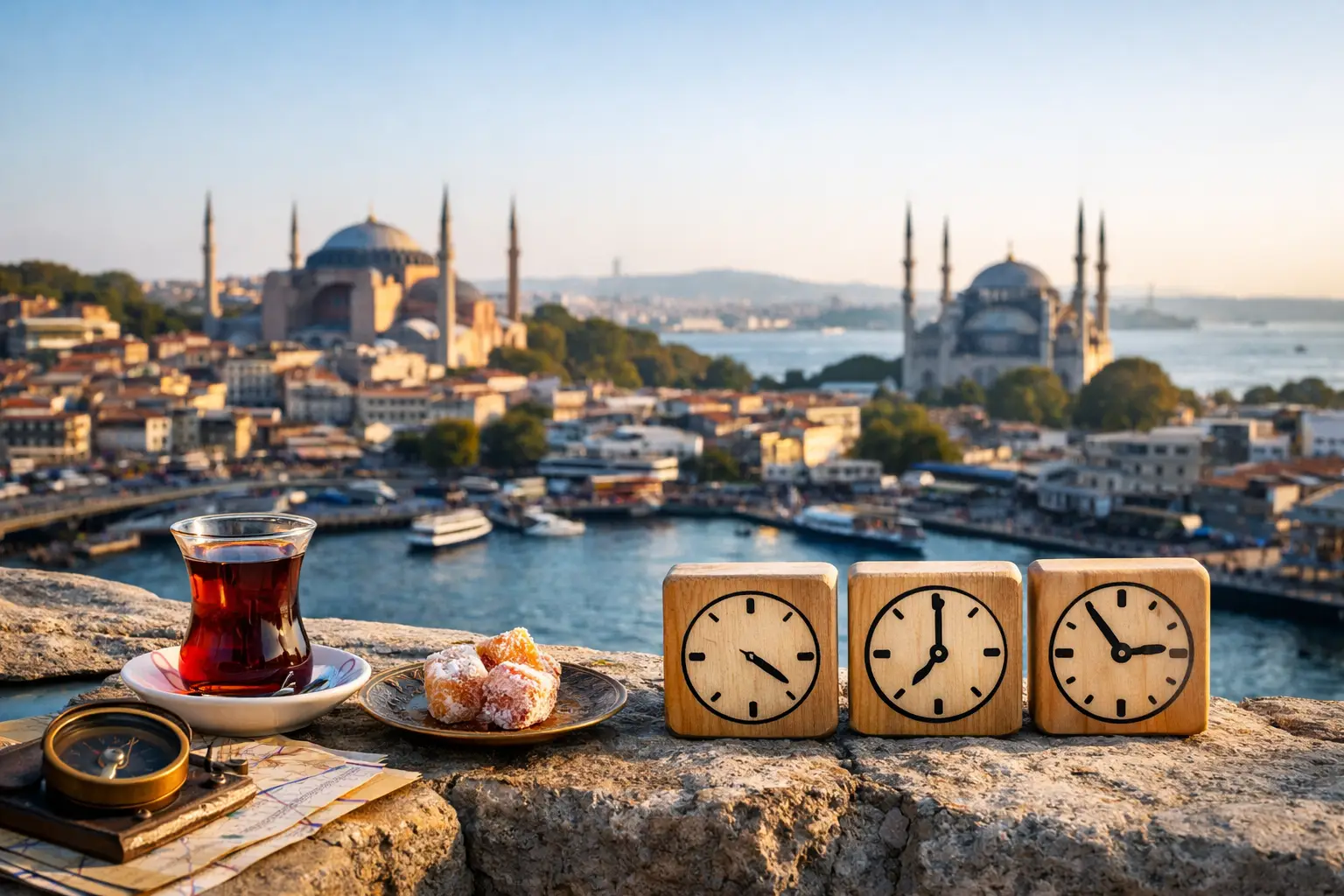
Istanbul is not a city that rewards rushing. A morning at Topkapi Palace can lead into an afternoon crossing the Bosphorus, followed by dinner in a neighborhood that feels entirely different from the historic center. So, how many days in Istanbul should you plan? For most first-time visitors, three full days is the best balance. It allows time for the essential landmarks, a Bosphorus experience, and a more relaxed look at the city beyond its headline sights.
How Many Days in Istanbul Is Enough?
Plan three nights and three full days if Istanbul is your first stop in Turkey. This is long enough to see the historic peninsula at a comfortable pace, experience the Bosphorus from the water, and spend time in districts such as Karakoy, Galata, or Kadikoy without turning every day into a checklist.
A two-day stay is best for travelers combining Istanbul with several destinations. It covers the city’s major cultural sites but leaves little room for unplanned discoveries, shopping, or lingering over a long Turkish breakfast. A four-day stay gives the city breathing room and is particularly worthwhile for families, private travelers, and guests who prefer a less structured schedule.
Arrival and departure times matter as much as the number of nights. If your flight arrives late afternoon, do not count that as a sightseeing day. Likewise, a morning departure can make a four-night stay feel more like three full days. A tailor-made itinerary can arrange airport transfers, centrally located hotels, and sightseeing around your actual flight schedule rather than an assumed arrival time.
A Two-Day Istanbul Itinerary for First-Time Visitors
With only two full days, focus on geography. The historic peninsula deserves one complete day because its principal sites are close together, but entry times and visitor flow can slow the pace. A licensed local guide helps put each landmark in context and keeps the day organized.
Day 1: The Historic Peninsula
Begin around Sultanahmet with the former Hippodrome, then continue to Topkapi Palace and its collections, the Basilica Cistern, and the Archaeology Museums if time permits. These places tell different parts of Istanbul’s story: imperial court life, engineering, and the civilizations that shaped Anatolia.
Allow time for lunch rather than scheduling attractions back to back. In the afternoon, walk toward the Grand Bazaar or the Spice Bazaar, depending on your interests. The Grand Bazaar is better for browsing traditional crafts, ceramics, textiles, and jewelry; the Spice Bazaar is smaller and easier to combine with the waterfront around Eminonu.
Day 2: Bosphorus, Galata, and Modern Istanbul
Spend the morning on a Bosphorus cruise or private boat experience. From the water, the city’s scale becomes clear: palaces, waterfront mansions, wooded hills, bridges, and neighborhoods stretching between two continents. It is one of the most efficient ways to see Istanbul while taking a break from museum interiors and busy streets.
Afterward, explore Galata and Karakoy, where historic lanes meet galleries, cafes, boutiques, and excellent dining. Continue along Istiklal Avenue if you enjoy lively urban energy, or choose a quieter afternoon at Dolmabahce Palace. This two-day plan is busy but realistic when transportation and timed entries are properly arranged.
Why Three Days in Istanbul Is the Best Choice
A third day changes the experience from a quick city visit into a more personal stay. Instead of adding only another major attraction, use it to see how Istanbul is lived in today.
One excellent option is to cross to the Asian side for Kadikoy and Moda. Kadikoy’s market streets offer a more local rhythm, with produce stalls, bakeries, specialty shops, and casual restaurants. The waterfront walk in Moda provides broad views across the water toward the European shore. Another option is a custom Istanbul tour focusing on Bosphorus neighborhoods, including areas such as Ortakoy and Bebek, followed by time at a museum or a long lunch.
Travelers with a strong interest in art and history may prefer to devote this day to the Istanbul Archaeological Museums, the Museum of Turkish and Islamic Arts, or the collections around Beyoglu. Families may enjoy a gentler schedule with a ferry ride, a hands-on food experience, and time in a park or waterfront district. The value of three days is flexibility: you can choose the experiences that suit your interests rather than seeing only what is most famous.
When to Stay Four Days or Longer
Four days in Istanbul is a smart choice when comfort matters more than speed. It gives you time to divide the city into manageable areas, return to a neighborhood you liked, and enjoy your hotel rather than simply using it as a place to sleep.
Consider four full days if you are arriving from North America, Australia, or another long-haul market and would like a lighter first day. It is also a good fit for travelers staying in a boutique hotel along the Bosphorus, for food-focused trips, and for those planning private Turkey tours with a flexible daily pace.
A fourth day can include the Princes’ Islands in favorable weather, a longer Bosphorus route, an architectural walk, or free time for shopping and dining. It also creates useful contingency space if a museum is closed on your preferred day or if you simply want to slow down. Istanbul has enough depth for a week, but after four days, most visitors are ready to add a contrasting landscape elsewhere in Turkey.
Add Istanbul to a Wider Turkey Itinerary
For a first visit, Istanbul works especially well as the opening or closing stop of a 7- to 12-day Turkey journey. Three days in Istanbul followed by three days in Cappadocia tours is a classic combination: the contrast between imperial city streets and Cappadocia’s valleys, cave hotels, and sunrise scenery is striking.
With more time, add Ephesus and the Aegean region after a short domestic flight. A practical 10-day route might include three nights in Istanbul, three nights in Cappadocia, two nights near Kusadasi or Izmir for Ephesus, and one or two nights in Pamukkale before returning to Istanbul. Travelers seeking a coastal finish can continue to Antalya, Fethiye, Bodrum, or a private gulet cruise along the Turquoise Coast.
Domestic flights make these combinations efficient, but they should be planned around hotel check-in times, airport transfers, and the right amount of time at each stop. Private Turkey tours are particularly helpful when you want the convenience of organized travel without losing the freedom to choose hotels, pace, and preferred experiences.
Practical Tips for Planning Istanbul
- Best Seasons: April–May and September–October offer ideal weather for walking. Summer is great for Bosphorus evenings, while winter brings a quiet, cozy atmosphere for museum visits.
- Where to Stay: Choose Sultanahmet for quick access to historic monuments, Karakoy or Galata for vibrant dining, or Bosphorus-side hotels for stunning waterfront views.
- Pacing & Logistics: Plan visits realistically. Traffic and queue lines can take up time; combining private vehicles for long distances with walking and ferries for local areas works best.
If you are deciding between two, three, or four days, choose the extra day when your schedule allows it. Istanbul rewards travelers who leave room for a ferry ride at sunset, an unhurried market stop, and the pleasure of finding a favorite corner twice. Travel Store Turkey can arrange a private or small-group Istanbul program and connect it smoothly with the rest of your Turkey itinerary.
0 Comment