
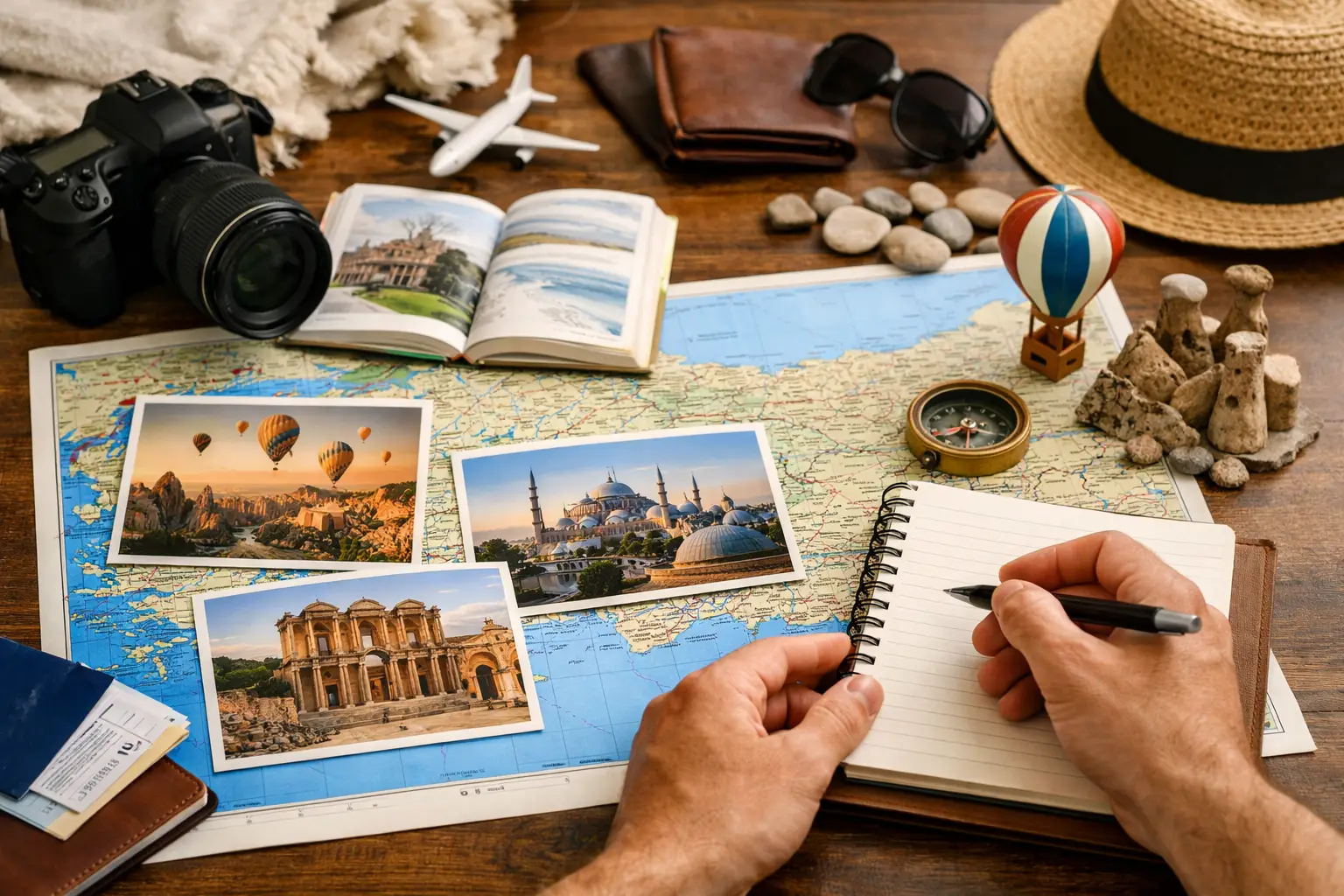
Trying to fit Istanbul, Cappadocia, Ephesus, Pamukkale, and the Turkish coast into one trip is where most travelers realize they need real Turkey itinerary planning examples, not broad advice. Turkey (Türkiye) rewards good routing. The right sequence saves time, reduces hotel changes, and gives each region enough space to feel memorable rather than rushed.
For most international visitors, the challenge is not finding places worth seeing. It is deciding what belongs in the same trip. A well-built itinerary in Turkey should balance cultural depth, travel time, and comfort. That is especially true if you want private touring, domestic flights, quality hotels, and smooth transitions between cities.
How to use these Turkey itinerary planning examples
The best itinerary depends on three things: how many days you have, whether this is your first visit, and how fast you want to move. First-time travelers usually do best with a classic cultural route that combines Istanbul, Cappadocia, and western Turkey. Returning visitors often add the coast, a blue cruise, or more time in boutique resort areas such as Bodrum or Fethiye.
There is also a practical difference between seeing Turkey and traveling well in Turkey. On paper, many routes look possible. In reality, too many one-night stays can make the trip feel like a transfer schedule. For a more comfortable experience, it is better to stay at least two nights in major stops and use domestic flights strategically.
Turkey itinerary planning examples for different trip lengths
5 days: Istanbul and Cappadocia
If you have less than a week, keep it simple. Three nights in Istanbul and two nights in Cappadocia is one of the most effective short routes in the country. It gives you a meaningful introduction without constant movement.
In Istanbul, focus on the historic center and one contrasting neighborhood or Bosphorus experience. A private Istanbul tour works particularly well here because the city has layers – Byzantine landmarks, Ottoman sites, bazaars, waterfront districts – and a guided day helps you use limited time efficiently. With another half day, you can add a palace visit, a food-focused walk, or time on the water.
Then fly to Cappadocia for two nights. This is usually enough for the essential valleys, cave churches, panoramic viewpoints, and one or two local artisan stops. If a sunrise hot air balloon flight is a priority, two nights gives you a better chance to schedule it comfortably. This short itinerary is ideal for travelers who want a high-quality first impression of Turkey (Türkiye) without overcommitting.
7 days: Istanbul, Cappadocia, and Ephesus
A week allows for a stronger historical route. Start with three nights in Istanbul, continue with two nights in Cappadocia, and finish with two nights in the Izmir or Kusadasi area for Ephesus.
This route works because it combines three very different experiences. Istanbul gives you imperial history and urban energy. Cappadocia adds landscapes and softer-paced sightseeing. Ephesus brings the classical world into focus with one of the Mediterranean’s most impressive ancient cities.
For this itinerary, domestic flights matter. Flying between Istanbul and Cappadocia, then on to Izmir, keeps the pace manageable. Once in the Ephesus region, a private day tour can include the ancient city, the Terrace Houses, and nearby cultural sites. Depending on your interests, this final section can lean more archaeological or more relaxed, with a slower hotel stay on the Aegean coast.
10 days: The classic first-time Turkey route
For many travelers, ten days is the sweet spot. It allows you to see Turkey’s headline destinations without feeling compressed. A strong version looks like this: three nights in Istanbul, two nights in Cappadocia, two nights in Kusadasi or Selcuk for Ephesus, one night in Pamukkale, and two nights in Antalya.
This route has range. You move from imperial capitals to surreal volcanic landscapes, then on to ancient ruins, white travertine terraces, and finally the Mediterranean coast. It is a good fit for couples, families, and small private groups who want a broad introduction to the country.
The trade-off is pace. You are covering a lot of ground, so transport needs to be organized carefully. This is where tailor-made planning becomes valuable. Private transfers, selected flight times, and hotels that suit each stop can turn a complicated route into an easy one. If you prefer fewer hotel changes, skip Antalya and spend those extra nights between Istanbul and Cappadocia instead.
14 days: Culture plus coast
With two weeks, Turkey opens up beautifully. A balanced 14-day itinerary could include Istanbul, Cappadocia, Ephesus, Pamukkale, Fethiye, and a short blue cruise or gulet segment. Another version replaces Fethiye with Bodrum for a more refined Aegean finish.
This is where itinerary planning becomes less about checking boxes and more about matching style to destination. Cappadocia and Ephesus are naturally sightseeing-heavy. Coastal days should be lighter. After several inland stops, travelers often appreciate three or four nights in one seaside base, with time for private boat outings, beach clubs, old town strolls, or a blue cruise along the Turquoise Coast.
If you want both culture and rest, this 14-day format is one of the strongest choices. It gives each region room to breathe and creates a better rhythm than trying to squeeze the coast into a 7- or 8-day trip.
What makes an itinerary feel smooth
A good route is not only about destinations. It is about transitions. In Turkey, the most comfortable itineraries usually start in Istanbul, then move inland or west by flight, and end on the coast if beach time is included. That way, the trip gradually shifts from intensive sightseeing to slower travel.
Hotel choice matters more than many travelers expect. In Istanbul, a well-located hotel reduces transfer time and makes evening exploration easier. In Cappadocia, cave hotels add character, but room layout and accessibility vary, so selecting the right property is worth attention. On the coast, the right resort or boutique hotel changes the pace of the whole trip.
Private touring also changes the quality of the experience. Sites such as Topkapi Palace, Ephesus, or the Göreme Open-Air Museum are far more rewarding with a knowledgeable guide who can shape the day around your interests. For travelers covering several regions in a limited timeframe, that local expertise often matters as much as the destinations themselves.
Practical travel tips for planning Turkey well
The best time for most classic routes is spring and fall. April to June and September to October usually offer the most comfortable conditions for combining Istanbul, Cappadocia, and western Turkey. Summer works well for coastal stays and blue cruises, but inland sightseeing can be warmer, so the itinerary should be paced more carefully.
How many days should you stay? Five days is enough for two regions. Seven to ten days works well for a first cultural trip. Fourteen days is where you can combine major highlights with proper leisure time. If your schedule is tight, it is usually better to remove one stop than reduce everything to one-night stays.
Recommended routing is simple: arrive in Istanbul, continue by domestic flight to Cappadocia, then fly or drive toward Ephesus and Pamukkale, and finish on the coast if that is part of your plan. Open-jaw flight planning can also save time if your international schedule allows it.
When to choose a tailor-made itinerary
Pre-set routes are useful for comparison, but not every traveler wants the same balance. Some want archaeology and Ottoman history. Others want boutique hotels, scenic drives, and a few standout private tours without changing hotels too often. Families may need slower mornings and larger rooms. Couples may want cave suites, a Bosphorus dinner cruise, and a few nights on a gulet.
That is why tailor-made planning works especially well in Turkey (Türkiye). The country offers many combinations, but the best ones are rarely random. They are built around flight connections, realistic drive times, hotel standards, and what kind of traveler you are. Travel Store Turkey, for example, often helps guests combine private touring, domestic flights, airport transfers, and region-specific hotels into one route that feels clear from the day of arrival.
If you are deciding between several options, start with your available days and your must-see places. Then trim what does not fit naturally. Turkey rewards travelers who leave a little room in the schedule for long lunches, sunset views, and the kind of unhurried moments that make a trip feel polished rather than packed.
The strongest itineraries are not the ones that include everything. They are the ones that make each stop feel like it belonged there.
0 Comment