

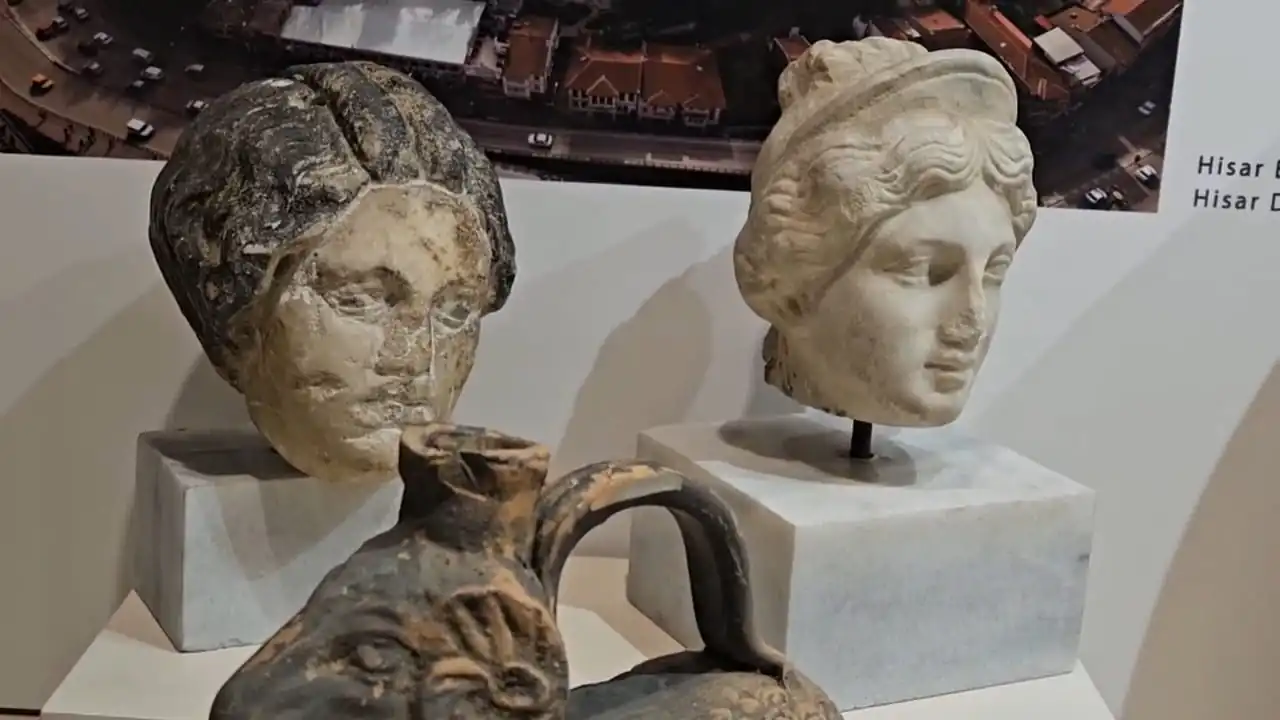
Tucked away within the serene greenery of Bursa’s Kültürpark lies a treasure trove of human history that spans millions of years. The Bursa Archaeological Museum (Bursa Arkeoloji Müzesi) is not just another museum—it is a journey through time, showcasing the rich tapestry of civilizations that have flourished in the ancient regions of Bithynia and Mysia. From Miocene-era fossil beds to exquisite Roman bronzes and Greco-Persian funeral steles, this institution offers visitors an intimate glimpse into the depths of Anatolia’s past.
As Turkey’s third oldest museum, established in 1904, it holds a special place in the nation’s cultural landscape. Whether you are a history enthusiast, an archaeology buff, or simply a curious traveler, the Bursa Archaeological Museum promises an enriching experience that connects you with the ancient souls who once walked these lands. In this comprehensive 2026 guide, we will explore everything you need to know before your visit.
The Historic Significance of Bursa Archaeological Museum
The story of the Bursa Archaeological Museum is itself a fascinating chapter in Turkish cultural history. Founded in 1904 as a branch of the Imperial Museum (Müze-i Hümayun), it became the third museum established in Turkey, following those in Istanbul (1899) and Konya (1902) . This pioneering institution began its life in the Bursa Boys’ High School building, where archaeological finds from the region were first collected and preserved.
In 1930, the collection found a new home in the historic Yeşil Medrese, gaining official directorate status . However, as the collection grew, so did the need for dedicated space. The archaeological section separated in 1972 and moved to its current, specially constructed building within the beautiful Reşat Oyal Kültürpark . After serving the public for over four decades, the museum underwent extensive restoration and reopened its doors in 2013 with a modern exhibition layout that presents artifacts in chronological order, making them accessible to researchers, students, and casual visitors alike .
For many years, the Bursa Museum served as a regional museum for the surrounding area. Until the establishment of museums in İznik and Balıkesir, it was responsible for all excavation sites in the region, including Ilıpınar Höyük, Antandros, and Daskyleion . This rich history of stewardship explains the remarkable diversity and depth of its collection today.
Museum Collection: A Journey Through Time
The Bursa Archaeological Museum houses an extraordinary collection of approximately 25,000 artifacts, of which around 2,000 are on display across four main exhibition halls . The collection spans from the Middle Miocene Period through to the end of the Byzantine Era, offering visitors a comprehensive view of the region’s historical development .
Hall I: Miocene Period to Phrygian Kingdom
This hall takes visitors on the deepest journey into the past, featuring artifacts from some of the most significant archaeological sites in the region.
Key highlights include:
-
Paşalar Fossil Bed Finds: Perhaps the most astonishing exhibits in this hall are the fossil remains from the Middle Miocene Period, dating back approximately 15 million years. These finds, from the Paşalar locality within Mustafakemalpaşa district, are known in world literature as the “Paşalar Elephant” and provide invaluable insights into prehistoric life .
-
Şahinkaya Cave Artifacts: Tools and remains dating to the Middle Paleolithic Age, offering evidence of early human habitation in the region .
-
Aktopraklık Mound Excavations: One of the most important archaeological sites in northwestern Turkey, Aktopraklık has yielded artifacts from the Neolithic to the Chalcolithic Age. The hall features a model of the mound and, most poignantly, the skeleton of a woman approximately 30 years old, displayed alongside her grave finds—a touching connection to an individual who lived thousands of years ago .
-
Bronze Age and Hittite Artifacts: The collection includes objects from the Bronze Age, Assyrian Trade Colonies period, and the Hittite Civilization, demonstrating the region’s connections to the broader Anatolian world .
-
Urartian and Phrygian Works: Artifacts representing these powerful Iron Age kingdoms round out the chronological journey through ancient Anatolia .
Stone Artifacts Hall
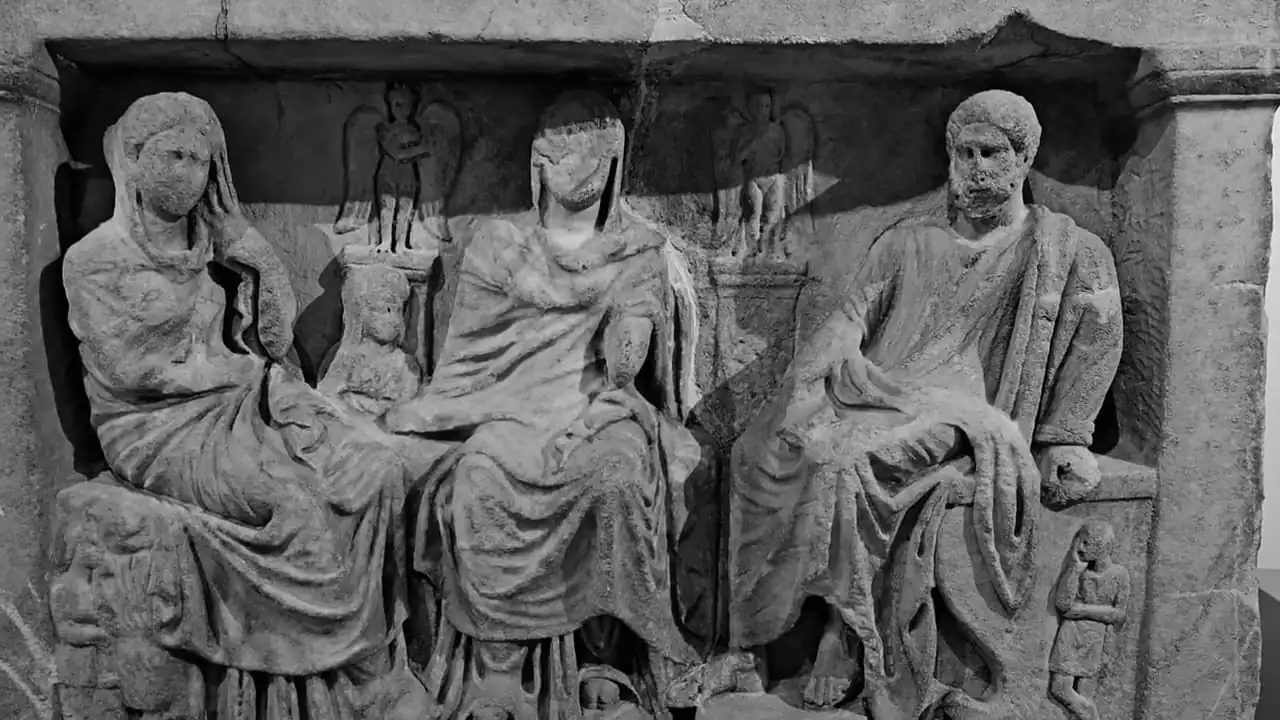
This hall is dominated by magnificent marble and stone works, arranged in a striking megara-plan chamber surrounded by marble portraits.
The undisputed stars of this collection are:
-
Bronze Statue of Apollo: A masterpiece of Roman-period sculpture discovered in the ancient city of Miletopolis (within modern Mustafakemalpaşa district). This iconic artifact represents the pinnacle of the museum’s collection and is a must-see for any visitor .
-
Bronze Bust of Athena: Found alongside the Apollo statue, this exquisite bust of the goddess Athena demonstrates the high artistic achievement of Roman-period Anatolia .
-
Funerary Steles and Sarcophagi: The hall contains numerous grave steles, statues, sarcophagus fragments, ostotheques (bone boxes), and architectural friezes that together illustrate the funerary practices and artistic traditions of the region’s ancient inhabitants .
Hall II: Archaic Period to Eastern Roman (Byzantine) Period
This hall presents artifacts in chronological order, allowing visitors to trace the development of material culture from the Archaic Age through to the end of the Byzantine Empire.
Exhibition highlights include:
-
Antandros Ancient City Finds: The Archaic and Classical period finds from this important ancient city, located in the region, provide insight into the lives of its inhabitants .
-
Miletopolis Excavation Artifacts: Continuing the story of this significant ancient city, the displays include ceramics and everyday objects .
-
Ahmetler Necropolis and Bursa Tumulus Finds: Hellenistic period grave goods, including ceramics, ornaments, and personal items, offer glimpses into burial customs and beliefs about the afterlife .
-
Roman Period Glass and Oil Lamps: A remarkable collection of glass vessels and terracotta oil lamps demonstrates the sophistication of Roman-era craftsmanship .
-
Metal Artifacts: Seals, ornaments, toys, and medical instruments reveal the details of daily life in antiquity .
-
Coin Section: Located on the mezzanine level, this numismatic collection spans the Archaic, Classical, Hellenistic, Roman, and Byzantine periods, offering a monetary history of the region .
Üçpınar Tumulus Chariot Finds Hall
Perhaps the most dramatically presented gallery, this hall reconstructs the extraordinary finds from a tumulus (burial mound) dating to the Achaemenid Period (6th century BC).
The exhibition features:
-
In Situ Reconstruction: The burial chamber is presented exactly as it was found during the rescue excavation conducted jointly by the Bursa and Balıkesir Museums in 1988 .
-
Chariot Remains: Wheel fragments and horse harnesses were discovered in situ at the entrance to the burial chamber. Based on these finds, archaeologists created a full-scale reconstruction of a war chariot from the Persian period, displayed dramatically in the hall .
-
Greco-Persian Tomb Steles: Three tomb steles from the Persian Sovereignty Period (545-333 BC) are exhibited, two of which are replicas of originals found at Daskyleion, the satrapy (provincial) center of the period. These steles represent the fascinating cultural fusion between Greek artistic styles and Persian patronage .
Outdoor Exhibition
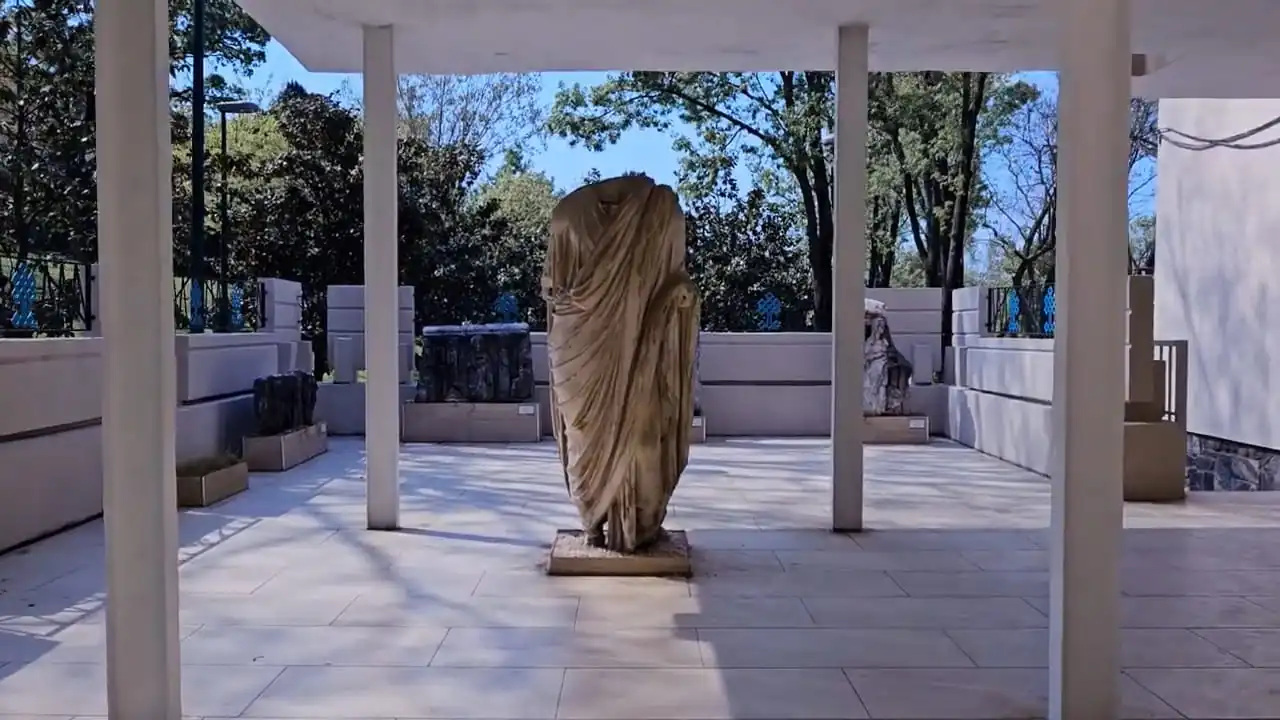
The museum garden itself serves as an exhibition space, displaying a rich collection of stone artifacts including statues, tomb steles, sarcophagi, and architectural elements . It provides a peaceful setting to contemplate the artifacts while enjoying the greenery of Kültürpark. Visitors have noted the presence of friendly cats who have made the garden their home, adding a charming touch to the historical atmosphere .
Rare and Unique Artifacts
The Bursa Archaeological Museum prides itself on housing several artifacts of exceptional rarity and significance:
-
Greco-Persian Funerary Stele: Found in Şükraniye Village of Karacabey, this stele is one of only three examples in the world, making it the rarest piece in the museum’s collection .
-
Apollo and Athena Bronzes: The bronze statue of Apollo and bust of Athena from Miletopolis are considered iconic and unique artifacts, representing the finest examples of Roman-period bronze sculpture in Turkey .
-
Paşalar Fossil Assemblage: The Miocene fossil collection, including remains of the “Paşalar Elephant,” holds international scientific importance and is known in world literature .
-
Gold Diadem from Gemlik: A unique gold diadem decorated with olive kernels, discovered in a Hellenistic-era sarcophagus during a rescue excavation in the Gemlik district .
-
Child with Dog Statue: A bronze statue of a child carrying a dog, found during test excavations in Mudanya, represents another unique Roman-period artifact .
Practical Information for Your 2026 Visit
To ensure a smooth and enjoyable visit to the Bursa Archaeological Museum, here is all the practical information you need:
Location and Contact
-
Address: Gaziakdemir Mah. Çekirge Cad. No:4/11, Kültürpark içi, 16050 Osmangazi / BURSA
-
Phone: +90 (224) 234-4918
-
Email:[email protected]
Opening Hours
According to the official Ministry of Culture and Tourism website, the museum is open every day with the following schedule :
-
Opening Time: 08:00
-
Closing Time: 17:00
-
Box Office Closing: 16:30
However, other sources indicate the museum may be closed on Mondays, with operating hours of 08:00-12:00 and 13:00-17:00 on open days . To avoid disappointment, we recommend checking the official website or calling ahead to confirm current hours before your visit.
Admission
-
Entry Fee: FREE. The museum is operated by the Turkish Ministry of Culture and Tourism and offers free admission to all visitors .
Facilities
-
Parking: Car parking is available on site .
-
Restrooms: Facilities are available for visitors .
-
Gift Shop: A gift shop offers souvenirs, books, and replicas related to the museum’s collection .
Accessibility
The museum is working towards improved accessibility for visitors with disabilities. It is recommended to contact the museum directly to inquire about current facilities such as ramps and accessible restrooms .
Photography
Photography for personal use is generally allowed, but flash photography, tripods, and professional shoots may require special permission. Check with museum staff upon arrival .
Recommended Visit Duration
Most visitors spend between 1 to 2 hours exploring the museum’s four halls and outdoor exhibition, depending on their level of interest in archaeology and history .
How to Get to Bursa Archaeological Museum
The museum is centrally located within Kültürpark in the Çekirge district of Osmangazi, making it easily accessible from anywhere in Bursa.
-
From Bursa City Center: The museum is a short taxi ride or a pleasant walk from the city center. Many visitors combine their visit with a stroll through Kültürpark.
-
Public Transportation: Local buses and minibuses (dolmuş) serving the Çekirge area will bring you within walking distance of the park.
-
By Tram: The Bursaray tram system has stops in the city center; from there, you can take a connecting bus or taxi to Kültürpark.
-
From Istanbul: Bursa is easily reached by ferry from Istanbul (via Yenikapı or Kadıköy to Mudanya or Güzelyalı), followed by a bus or taxi to the city center. Alternatively, bus services from Istanbul’s otogar are frequent and comfortable.
Nearby Attractions
The museum’s location within Kültürpark places it near several other attractions worth visiting:
-
Kültürpark (Culture Park): The park itself is a beautiful green space perfect for a relaxing stroll, with walking paths, ponds, and cafes .
-
Atatürk Museum: Located across Çekirge Caddesi from Kültürpark, this museum is housed in the building where Atatürk stayed during his visits to Bursa .
-
Çekirge District: Known for its thermal springs and historic Ottoman architecture, the surrounding neighborhood offers additional exploration opportunities.
-
Great Mosque (Ulu Cami): Bursa’s iconic Seljuk-style mosque is a short distance away and well worth a visit.
-
Koza Han: The historic silk market in the city center, perfect for shopping and experiencing Ottoman-era architecture.
Visitor Tips for an Optimal Experience
Based on recent visitor feedback, here are some tips to enhance your museum experience:
-
Combine with Park Time: Plan to spend time in Kültürpark either before or after your museum visit. The peaceful green setting complements the historical journey beautifully .
-
Check Opening Days: Confirm that the museum is open on your intended visit day, as some sources suggest Monday closures .
-
Allow Sufficient Time: While the museum is not overwhelmingly large, the depth of the collection rewards those who take their time. Plan for at least 1.5 to 2 hours.
-
Look for English Labeling: Some signage includes English translations, though bringing a guidebook or using a translation app may enhance your understanding .
-
Visit the Garden: Don’t miss the outdoor exhibition area, where stone artifacts are displayed in a natural setting .
The Bursa Archaeological Museum offers far more than a typical museum experience. It is a portal through time, allowing visitors to connect with the countless generations who have called this region home. From the haunting skeleton of a Neolithic woman to the magnificent bronze Apollo gazing out across the millennia, from fossilized elephant bones to the wheels of a Persian chariot—each artifact tells a story of human endeavor, belief, and creativity.
0 Comment