

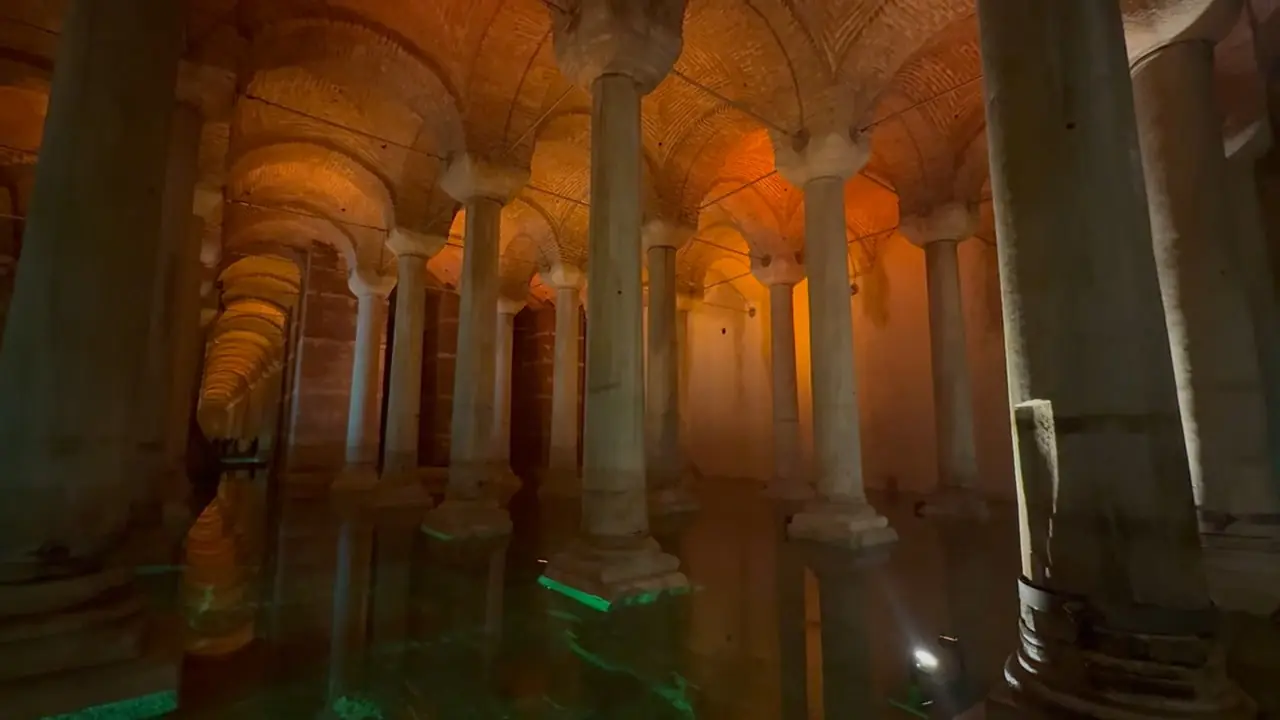
Beneath the bustling streets of Istanbul’s historic Sultanahmet district lies one of the city’s most mesmerizing ancient wonders: the Basilica Cistern Istanbul. This vast, cathedral-like underground water reservoir, known in Turkish as Yerebatan Sarnıcı (the “Sunken Palace”), is an architectural marvel that has captivated visitors for centuries. With its forest of 336 towering marble columns, dim atmospheric lighting, and the soft, constant drip of water, a visit here feels like stepping into another world—a silent, cool refuge from the city above.
This guide provides everything you need to know about visiting this iconic site, from securing your Basilica Cistern tickets and understanding its fascinating history to practical tips on what to see and how to best experience its mystical ambiance.
How Old is the Basilica Cistern?
To understand its grandeur, one must ask: how old is Basilica Cistern? This incredible structure dates back to the 6th century, specifically to the reign of the Byzantine Emperor Justinian I in 532 AD. It was built to provide a critical water filtration and storage system for the Great Palace of Constantinople and other buildings on the First Hill, holding up to 80,000 cubic meters of water.
The cistern’s name derives from the fact it was constructed beneath the site of a former Roman basilica. The columns themselves are believed to be repurposed from even older Roman temples and buildings, showcasing a variety of classical styles. The Basilica Cistern was largely forgotten by the West after the Ottoman Conquest until it was rediscovered in the 16th century by scholar Petrus Gyllius, who noticed locals retrieving water—and even fish—through holes in their basement floors.
What to See Inside the Basilica Cistern
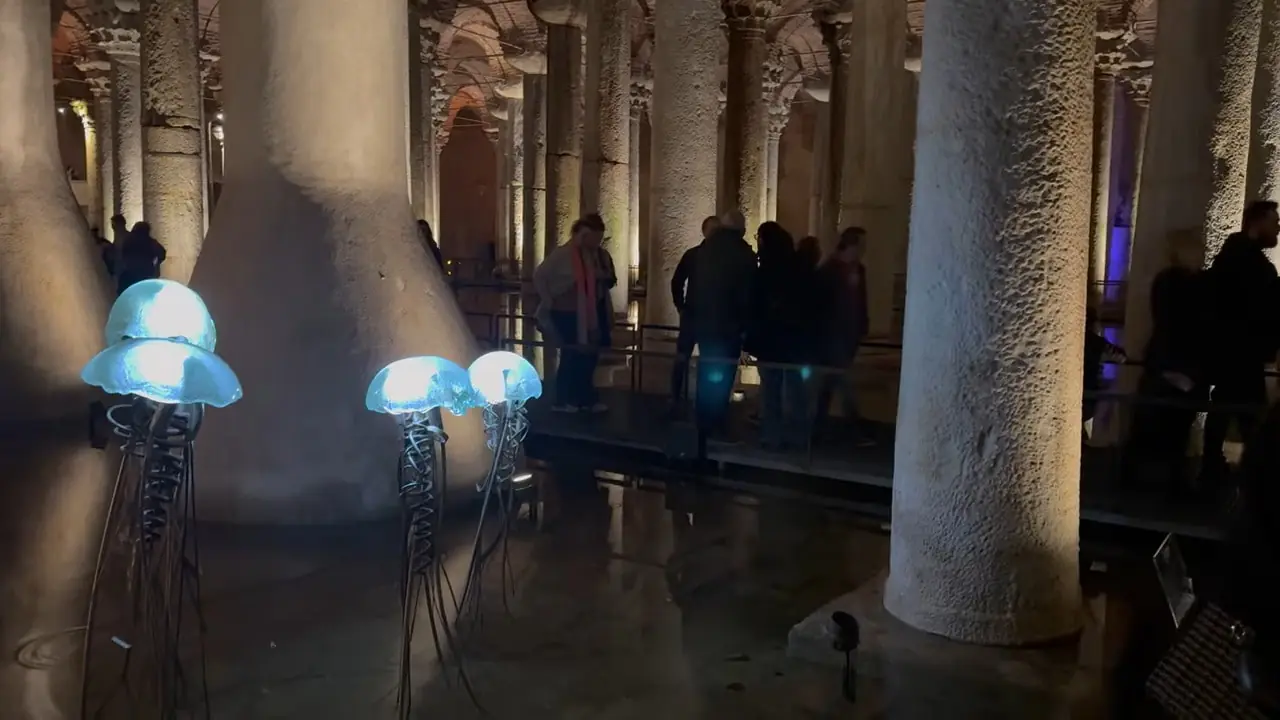
Walking along the raised wooden platforms through the damp, echoing space, you’ll encounter its most famous features:
-
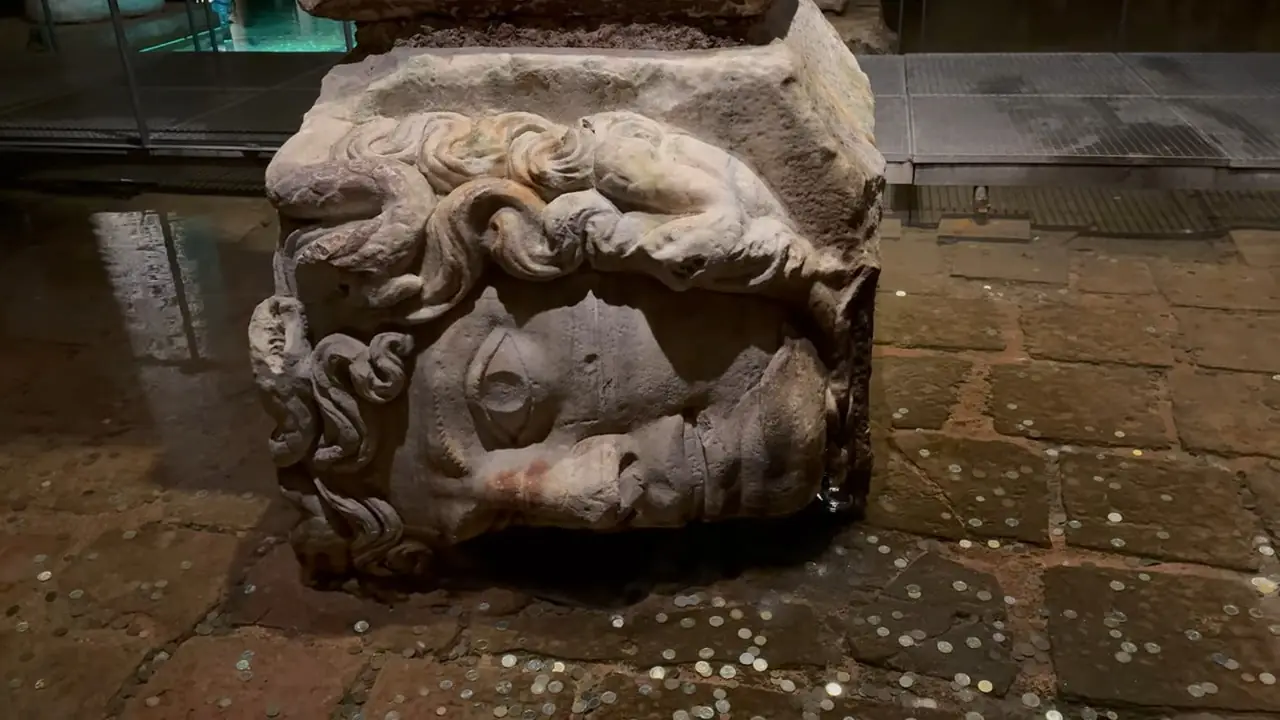
The Medusa Head Columns: The undisputed highlight. In the far northwest corner, two columns rest on massive, carved stone blocks featuring the head of Medusa. One is placed sideways, the other upside down. Their origin and positioning remain a mystery—likely taken from a Roman building and placed this way to negate the power of her petrifying gaze, or perhaps simply for practical fit.
-
The Hen’s Eye Column: One column is intricately carved with peacock eyes, tears, and branches, believed to be a tribute to the hundreds of slaves who died during the cistern’s construction.
-
The Forest of Columns: The sheer scale is breathtaking. The 336 columns, each 9 meters high, are arranged in 12 rows of 28, supporting the massive brick vaulted ceiling.
Practical Visitor Information: Tickets, Timing & Tips
Do you need tickets for Basilica Cistern? Absolutely, yes. It is a paid-entry historical museum, and purchasing in advance is highly recommended to avoid long queues.
-
Basilica Cistern Tickets: You can buy Basilica Cistern tickets at the on-site box office. However, during peak season (April-October), lines can be very long. A far more efficient option is to purchase your Basilica Cistern tickets online in advance through official channels or a trusted ticket platform. Some city tourism passes also include entry.
-
How long does Basilica Cistern take? A typical visit lasts between 30 to 45 minutes. This gives you ample time to walk the entire platform at a leisurely pace, take photos, and soak in the atmosphere. It’s not a site you rush through.
-
Best Time to Visit: To avoid the biggest crowds, aim for weekday mornings right at opening time (usually 9:00 AM) or later in the afternoon after 4:00 PM. It is one of Istanbul’s most popular attractions, so it is rarely empty, but timing helps.
-
Location & Access: The entrance is directly across from the Hagia Sophia, making it incredibly easy to combine visits to these top Sultanahmet sights.
Tours & Combinations
While you can explore independently, joining a guided tour of Sultanahmet that includes the cistern greatly enhances the experience. Knowledgeable guides bring the history to life, explain the engineering, and share the myths behind the Medusa heads. Many such tours efficiently combine the cistern with the Hagia Sophia and Blue Mosque, often offering skip-the-line access to all sites—a huge time-saver.
Essential Tips for Visitors
-
Footwear: The walkways can be slightly slippery due to constant moisture. Wear shoes with good grip.
-
Photography: The lighting is low and atmospheric. For the best photos, use a camera that handles low light well, or stabilize your phone. Flash photography is usually permitted but often doesn’t improve the shot due to the scale.
-
Ambiance: The space is cool (a relief in summer) and humid, with the sound of dripping water and classical music adding to the eerie, beautiful atmosphere.
-
Capacity: Visitor numbers are controlled, so even when busy, it doesn’t feel overwhelmingly crowded on the pathways.
A visit to the Basilica Cistern in Istanbul is more than just checking off a major tourist site; it’s an immersion into the layered, ingenious, and mysterious history of a city that has stood for millennia. By planning ahead with your tickets and timing, you can ensure a smooth and unforgettable journey into the depths of Byzantine Constantinople.
0 Comment